Energy World and its legacy 40 years on
A new film coming out in September tells the story of Energy World - an event and development initiative that led to the mandatory energy assessment of buildings.
by
Liz Male
04 Sep 2026
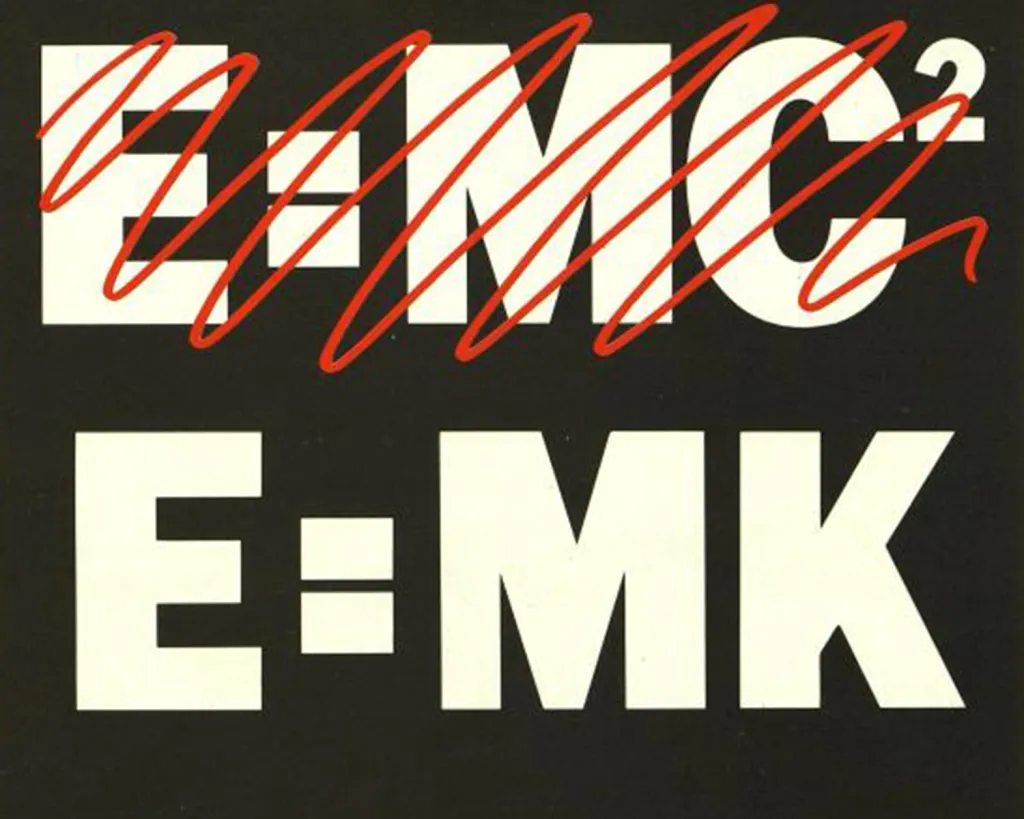
Energy assessment is news again
The next 12 months will see major changes to the way the UK carries out energy assessments of buildings.
This includes a nice glow up for the much-misunderstood Energy Performance Certificate (EPC), plus the gradual replacement of the Standard Assessment Procedure (SAP) for calculating energy performance, and the government’s roll-out of the new Home Energy Model (HEM) from next autumn, promising a highly sophisticated calculation methodology based on more accurate, half-hourly simulations for energy use, carbon emissions and costs.
So far, so nerdy. (And we say that with pride – there’s nothing LMC loves more than a good bit of building physics).
But there is also a fascinating back story to all this which involves many local places and people we know, and which is going to be told in a new film due out later this month.
This includes a nice glow up for the much-misunderstood Energy Performance Certificate (EPC), plus the gradual replacement of the Standard Assessment Procedure (SAP) for calculating energy performance, and the government’s roll-out of the new Home Energy Model (HEM) from next autumn, promising a highly sophisticated calculation methodology based on more accurate, half-hourly simulations for energy use, carbon emissions and costs.
So far, so nerdy. (And we say that with pride – there’s nothing LMC loves more than a good bit of building physics).
But there is also a fascinating back story to all this which involves many local places and people we know, and which is going to be told in a new film due out later this month.
Energy World 40 years on
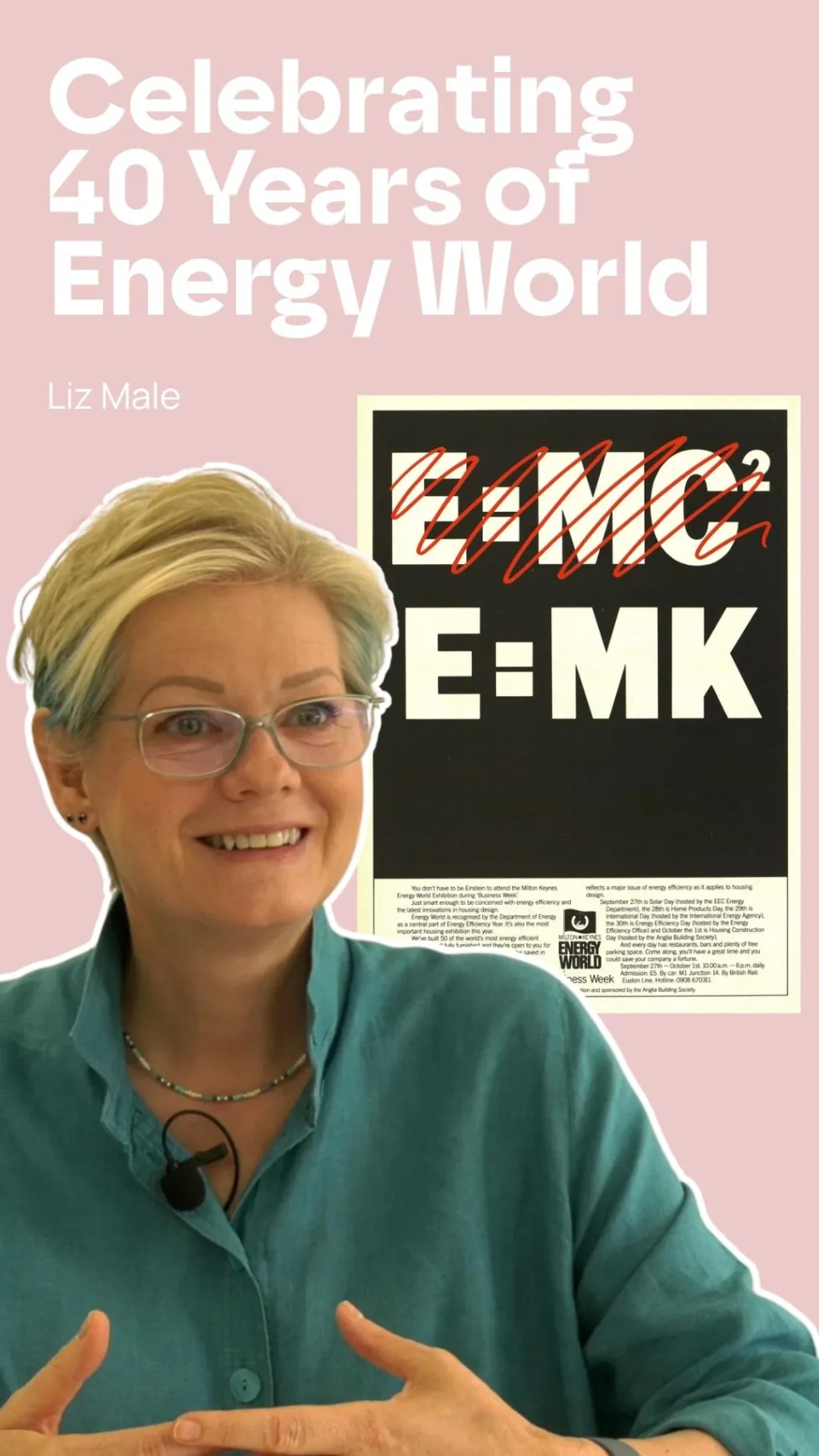
The film, created by Roger Kitchen for the Living Archive, is telling the story of Energy World 40 years ago, the subsequent creation of the National Energy Foundation (NEF) in 1988, and the launch of the UK’s first energy rating scheme in 1989.
It’s a story that is rooted in Milton Keynes, the country’s most influential city when it comes to energy efficiency (and, by a strange quirk of fate, the city closest to where we are now based, here at LMC).
MK was the place where experimental approaches to domestic energy efficiency in the 1980s evolved into systems that still influence national practice. It’s the place we can thank for so much of the thinking behind today’s Building Regulations, including the new Future Homes Standard.
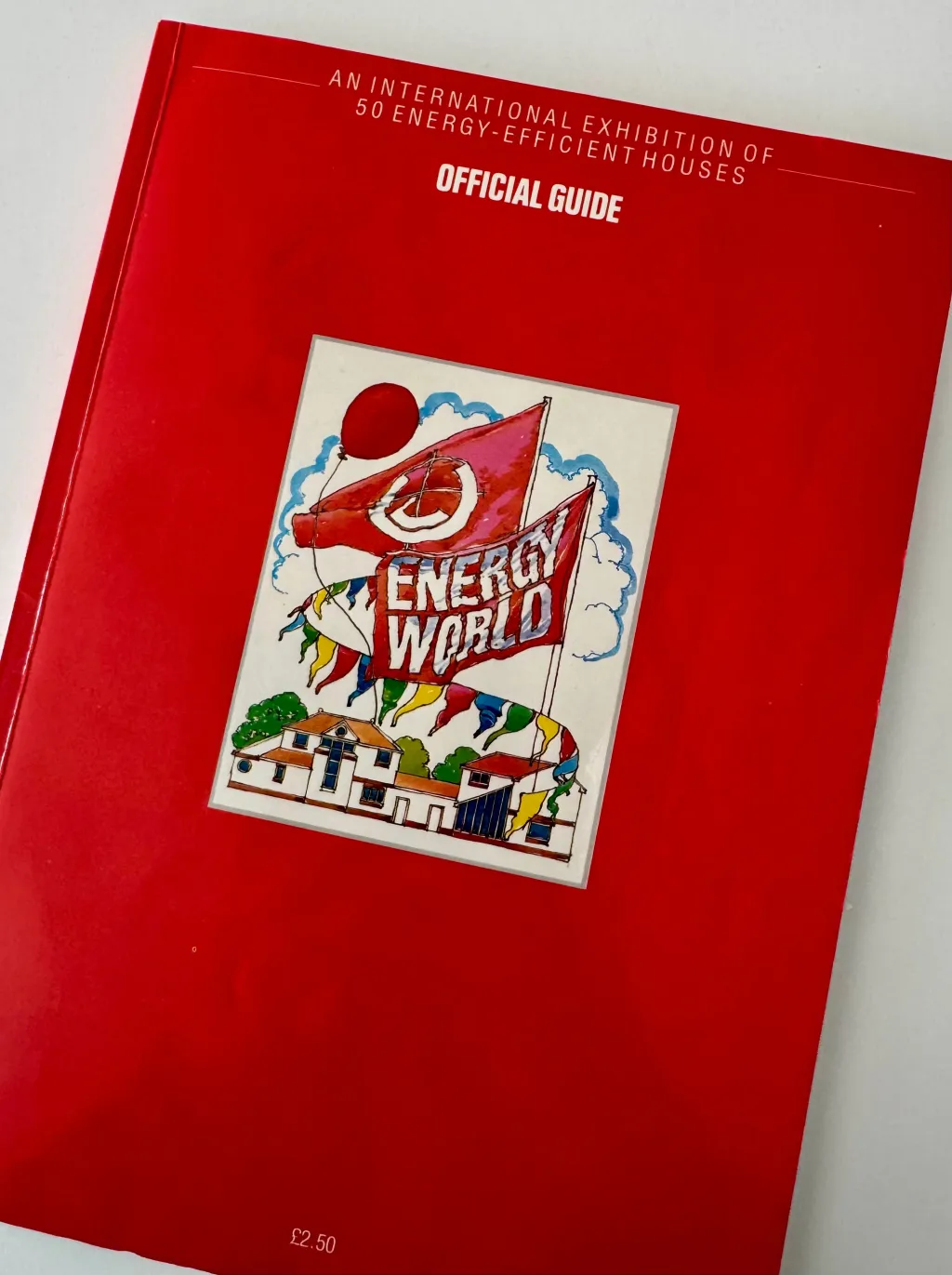
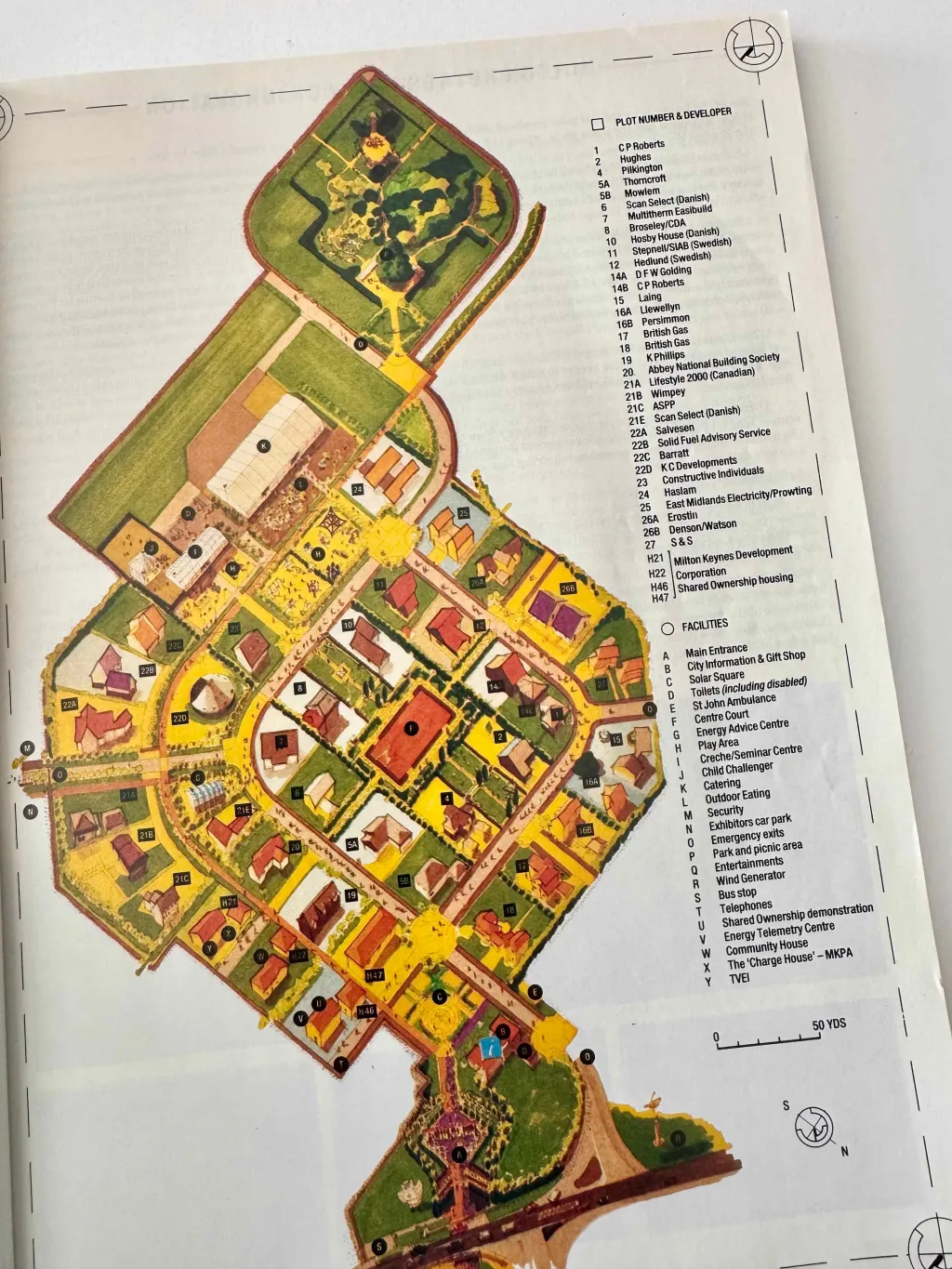
The story strarts with the Energy World exhibition – a huge event that captured the imagination of audiences across the world.
The event involved 32 developers building 50 new homes to energy standards around 30% better than the Building Regulations of the day. No mean feat at that time.
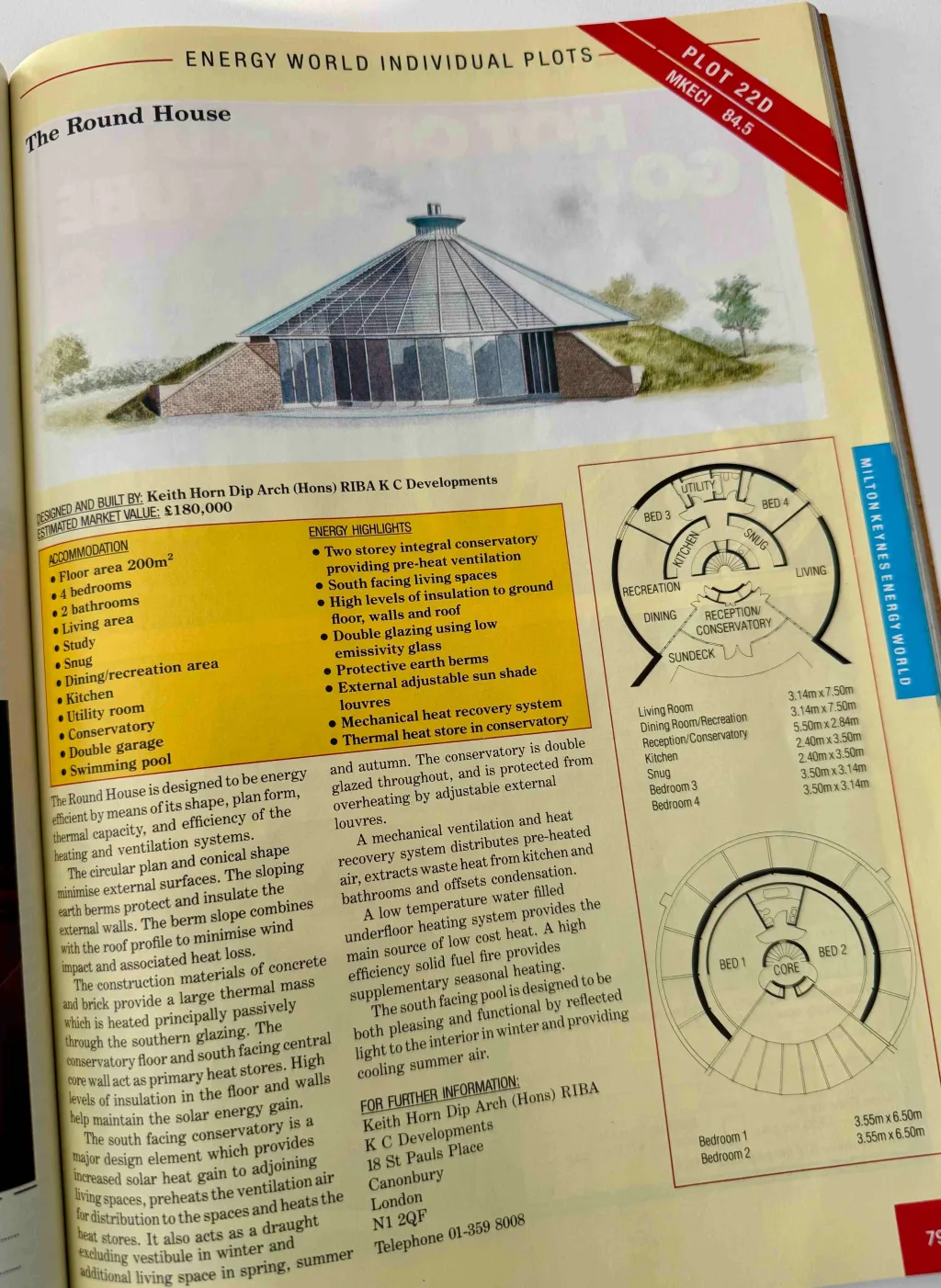
The homes varied in size, from large, detached houses to small starter homes and one-bedroom flats. They were deliberately designed to be strikingly different from the normal new build homes of the 80s - including the famously futuristic Round House, today lovingly nicknamed the Tellytubby House.
The business bit of the exhibition was opened by the prime minister Margaret Thatcher and attracted more than 70,000 visitors. (In fact, this was the second of three big housing expos built in MK: Homeworld in 1981, Energy World in 1986 and Future World in 1994).
After Energy World had closed, 1,200 new homes were then built to the same or better energy standards in the rest of Shenley Lodge, in two phases of what is still known as the Energy Park. The standards were then rolled out to apply to all new housing developments in MK.
It’s a story that is rooted in Milton Keynes, the country’s most influential city when it comes to energy efficiency (and, by a strange quirk of fate, the city closest to where we are now based, here at LMC).
MK was the place where experimental approaches to domestic energy efficiency in the 1980s evolved into systems that still influence national practice. It’s the place we can thank for so much of the thinking behind today’s Building Regulations, including the new Future Homes Standard.
The story strarts with the Energy World exhibition – a huge event that captured the imagination of audiences across the world.
The event involved 32 developers building 50 new homes to energy standards around 30% better than the Building Regulations of the day. No mean feat at that time.
The homes varied in size, from large, detached houses to small starter homes and one-bedroom flats. They were deliberately designed to be strikingly different from the normal new build homes of the 80s - including the famously futuristic Round House, today lovingly nicknamed the Tellytubby House.
The business bit of the exhibition was opened by the prime minister Margaret Thatcher and attracted more than 70,000 visitors. (In fact, this was the second of three big housing expos built in MK: Homeworld in 1981, Energy World in 1986 and Future World in 1994).
After Energy World had closed, 1,200 new homes were then built to the same or better energy standards in the rest of Shenley Lodge, in two phases of what is still known as the Energy Park. The standards were then rolled out to apply to all new housing developments in MK.
The legacy of Energy World
Dr Neil Cutland joined the Milton Keynes Development Corporation (MKDC) just after the Energy World event had ended.
He was responsible for the energy objectives and performance monitoring of the Energy Park, which included extensive liaison with developers to help them implement the demanding energy standards and fulfil the technical objectives.
He explains in the film how MKDC could impose these stringent energy standards on housebuilders because it owned the land.
But the clever bit – the bit that Neil says he still feels most proud to have played a part in – was the decision to specify a holistic target. A score that builders could achieve in different ways, rather than being told to use particular technologies or building systems.
This meant designers could play with different options on insulation, heating efficiency, ventilation, solar gains and other measures to reach the target. It’s the same principle we use for Building Regulations today.
Developers were set this holistic target and given software to calculate each home’s MKECI score (the Milton Keynes Energy Cost Index). The MKECI had been developed by Open University professor Jake Chapman and others – it allowed the builders to model a home's expected energy consumption and demonstrate that they had met the required standard.
One of the other significant aspects of Energy World and the more mainstream homes that were built in the Energy Park was the monitoring that happened afterwards.
This monitoring was funded by the government and it provided the evidence needed to inform future regulations. The monitoring compared the homes’ predicted energy efficiency with actual gas and electricity consumption, temperatures, humidity, condensation and other data. Broadly, Neil says, the homes performed as predicted.
Big fears around the technical risks of higher energy efficiency standards were mostly put to bed.
He was responsible for the energy objectives and performance monitoring of the Energy Park, which included extensive liaison with developers to help them implement the demanding energy standards and fulfil the technical objectives.
He explains in the film how MKDC could impose these stringent energy standards on housebuilders because it owned the land.
But the clever bit – the bit that Neil says he still feels most proud to have played a part in – was the decision to specify a holistic target. A score that builders could achieve in different ways, rather than being told to use particular technologies or building systems.
This meant designers could play with different options on insulation, heating efficiency, ventilation, solar gains and other measures to reach the target. It’s the same principle we use for Building Regulations today.
Developers were set this holistic target and given software to calculate each home’s MKECI score (the Milton Keynes Energy Cost Index). The MKECI had been developed by Open University professor Jake Chapman and others – it allowed the builders to model a home's expected energy consumption and demonstrate that they had met the required standard.
One of the other significant aspects of Energy World and the more mainstream homes that were built in the Energy Park was the monitoring that happened afterwards.
This monitoring was funded by the government and it provided the evidence needed to inform future regulations. The monitoring compared the homes’ predicted energy efficiency with actual gas and electricity consumption, temperatures, humidity, condensation and other data. Broadly, Neil says, the homes performed as predicted.
Big fears around the technical risks of higher energy efficiency standards were mostly put to bed.
The National Energy Foundation is born
Following the winding-up of the Development Corporation, its energy expertise was retained through the creation of the National Energy Foundation (NEF) – a charity dedicated to promoting understanding of energy use in buildings.
And this is where the story becomes personal to LMC.
NEF was my client when I was working for a PR agency in London at the start of my career.
There, I had the opportunity to learn from Jake Chapman, Neil Cutland, Stephen Fuller, Deborah Brownhill and many others, and became completely fascinated by energy efficiency in buildings. It’s an area of technical interest that has only grown over the decades – and brought me full circle when, in 2015, I became a trustee and then chair of NEF.
It was fun talking to Roger about my experiences working with NEF, including the launch of the National Home Energy Rating (NHER) scheme in 1989.
The NHER was the first energy label for homes – a ‘miles per gallon’ rating for homes, giving properties a score out of 10 for their energy efficiency. Most existing homes at the time scored about 4.5. New homes built to the upgraded Building Regulations scored about 7. I was so into the concept, I trained and took the exam to become an NHER energy assessor in 1990.
From the early 1990s, organisations including NHBC offered NHER-based energy rating services to housebuilders. Higher ratings could provide a marketing advantage, while social landlords were interested in reducing residents' energy costs and fuel poverty.
And so the UK's building energy efficiency journey began. The MKECI was the forerunner of the NHER. The NHER eventually disappeared, having led to the creation of SAP and EPCs. SAP is now becoming HEM… (keeping up with the acronyms?).
Basically, in short, what started in Milton Keynes 40 years ago is still influencing energy efficiency assessments, methodologies and policies today.
And this is where the story becomes personal to LMC.
NEF was my client when I was working for a PR agency in London at the start of my career.
There, I had the opportunity to learn from Jake Chapman, Neil Cutland, Stephen Fuller, Deborah Brownhill and many others, and became completely fascinated by energy efficiency in buildings. It’s an area of technical interest that has only grown over the decades – and brought me full circle when, in 2015, I became a trustee and then chair of NEF.
It was fun talking to Roger about my experiences working with NEF, including the launch of the National Home Energy Rating (NHER) scheme in 1989.
The NHER was the first energy label for homes – a ‘miles per gallon’ rating for homes, giving properties a score out of 10 for their energy efficiency. Most existing homes at the time scored about 4.5. New homes built to the upgraded Building Regulations scored about 7. I was so into the concept, I trained and took the exam to become an NHER energy assessor in 1990.
From the early 1990s, organisations including NHBC offered NHER-based energy rating services to housebuilders. Higher ratings could provide a marketing advantage, while social landlords were interested in reducing residents' energy costs and fuel poverty.
And so the UK's building energy efficiency journey began. The MKECI was the forerunner of the NHER. The NHER eventually disappeared, having led to the creation of SAP and EPCs. SAP is now becoming HEM… (keeping up with the acronyms?).
Basically, in short, what started in Milton Keynes 40 years ago is still influencing energy efficiency assessments, methodologies and policies today.
Enduring best practice
Look out for the film which premieres in Milton Keynes at the Open University on 16 September. You can get tickets to that event here.
The film has all sorts of great pics from the 1970s and 80s, many funny anecdotes from these times (including a bedroom story about Maggy Thatcher), and I think it will paint a vivid picture of a place and people full of innovative ideas and commitment to energy efficiency long before it became mainstream thinking.
It also shows Milton Keynes’s enduring ideas on best practice:
The film has all sorts of great pics from the 1970s and 80s, many funny anecdotes from these times (including a bedroom story about Maggy Thatcher), and I think it will paint a vivid picture of a place and people full of innovative ideas and commitment to energy efficiency long before it became mainstream thinking.
It also shows Milton Keynes’s enduring ideas on best practice:
- That energy performance should be quantitatively defined, and everyone given a level playing field to work within.
- Designers and developers should always have access to good energy modelling tools (software they can use to teach themselves what works and what doesn’t, without ever having to reveal a lack of knowledge).
- Completed buildings should be monitored, and that data used to inform future regulation. This is not a luxury – it’s something government should fund.
- And standards should always consider whole-building performance, with holistic targets set which allow design and construction options and innovation.
Energy World was therefore much more than a temporary exhibition from 40 years ago.
Its legacy is a story of normalising measurable building energy performance, modelling, post-occupancy monitoring and consumer-facing energy ratings – concepts that will all be back in the news again this year, next year and for years to come.
Its legacy is a story of normalising measurable building energy performance, modelling, post-occupancy monitoring and consumer-facing energy ratings – concepts that will all be back in the news again this year, next year and for years to come.
By Liz Male
04 Sep 2026