A 2026 guide to major policy changes in UK construction
There are well over 50 key policy initiatives, new standards or legislative changes on the cards for the UK built environment sector in 2026. Here's a selection of the most interesting ones...
By Liz Male
12 Jan 2026

What does 2026 have in store for the built environment?
2026 is the Year of the Fire Horse. A year of new beginnings, transformational change and energetic new opportunities. Action rather than hesitation, when all the messy strands of previous years start to come together… maybe.
Whatever your horoscope, we can confidently predict that it’s going to be a busy year for everyone getting to grips with policy reform, new legislation and culture change in property markets, construction and the built environment in the UK.
So this is an unapologetically long read (although you can easily jump to the sections most relevant to you by clicking on the links on the left-hand side of this page).
Looking across the wide ecosystem that is property and construction, here are some of the highlights we already know we can look forward to in 2026:
Whatever your horoscope, we can confidently predict that it’s going to be a busy year for everyone getting to grips with policy reform, new legislation and culture change in property markets, construction and the built environment in the UK.
So this is an unapologetically long read (although you can easily jump to the sections most relevant to you by clicking on the links on the left-hand side of this page).
Looking across the wide ecosystem that is property and construction, here are some of the highlights we already know we can look forward to in 2026:
1. Building safety, regulations and building control
Still the biggest issue of our time. Thought all that “Grenfell stuff” was all in the past? Think again.
In 2026, all eyes remain on the Building Safety Regulator (BSR), which becomes an independent new statutory body for England and Wales on 27 January, moving away from its old home within the Health and Safety Executive.
This is an important first step towards establishing a new single construction regulator (see 2 below).
Thankfully, confidence is already increasing in the BSR under its new leadership to overcome the delays and backlogs that crippled work in 2025. Its new Board will be appointed soon, and it should publish its first annual report in the summer.
Over the next few months, you may also spot the BSR’s ‘Your Home, Your Safety’ campaign, explaining residents’ rights and responsibilities under the Building Safety Act.
In the meantime, a much bigger annual report on progress overall to deliver the Grenfell Tower Inquiry’s recommendations will be published and laid in Parliament in February 2026.
Probably around that time, the Building Control Independent Panel, chaired by Dame Judith Hackitt, will also publish its recommendations on future changes to the overall system of building control.
In terms of other legal changes this year, regulations covering the provision of residential evacuation plans (PEEPs, or Personal Emergency Evacuation Plans) come into force on 6 April 2026. Guidance on this should be published soon.
On 30 September 2026, the latest amendments to Part B of the Building Regulations take effect in England. These changes include a requirement for second staircases in new residential buildings over 18 metres, plus design provisions to support the use of evacuation lifts.
And in October 2026, the Building Safety Levy regulations come into force in England.
The Building Safety Levy is designed to raise about £3.4bn over 10 years to fund the remediation of existing dangerous buildings. It would apply to all new residential schemes above 10 dwellings or 30 bedspaces in purpose-built student accommodation. It would be paid at the time of a building control application on or after 1 October, with charges managed by local authorities. There will be severe criminal penalties for omissions.
This is an exceedingly unpopular policy with most developers – the Home Builders’ Federation estimates it will add £3,000 to the cost of building each new home, making many new home developments unviable. Expect to see a lot of lobbying on this topic this year, especially if the housing market remains sluggish (see 10 below).
And on the topic of who pays for past mistakes, mediation is likely to begin at the end of this year or early next in the commercial litigation between the Royal Borough of Kensington and Chelsea and a group of companies involved in the refurbishment of Grenfell Tower. Judges are urging both parties to resolve issues now to avoid a lengthy and costly trial in 2028.
If charges take place following the ongoing Metropolitan Police investigation into the fire, separate criminal trials are not expected until 2027 at earliest.
The Building Safety (Wales) Bill should complete its progress through the Senedd in 2026. And a full review of the Building Safety Act 2022 in England will happen in 2027.
But this is just a tiny snapshot of the building safety issues unfolding again this year. To keep completely up to date on all things building safety, use the free Building Safety Wiki which we helped set up in 2024, sign up to its newsletter or join the thriving Building Safety Wiki community on LinkedIn.
MHCLG is also planning to launch a quarterly Building Safety newsletter soon, providing updates on legislation, regulatory developments, building remediation progress, resident-focused activity and guidance. You can subscribe here.
In 2026, all eyes remain on the Building Safety Regulator (BSR), which becomes an independent new statutory body for England and Wales on 27 January, moving away from its old home within the Health and Safety Executive.
This is an important first step towards establishing a new single construction regulator (see 2 below).
Thankfully, confidence is already increasing in the BSR under its new leadership to overcome the delays and backlogs that crippled work in 2025. Its new Board will be appointed soon, and it should publish its first annual report in the summer.
Over the next few months, you may also spot the BSR’s ‘Your Home, Your Safety’ campaign, explaining residents’ rights and responsibilities under the Building Safety Act.
In the meantime, a much bigger annual report on progress overall to deliver the Grenfell Tower Inquiry’s recommendations will be published and laid in Parliament in February 2026.
Probably around that time, the Building Control Independent Panel, chaired by Dame Judith Hackitt, will also publish its recommendations on future changes to the overall system of building control.
In terms of other legal changes this year, regulations covering the provision of residential evacuation plans (PEEPs, or Personal Emergency Evacuation Plans) come into force on 6 April 2026. Guidance on this should be published soon.
On 30 September 2026, the latest amendments to Part B of the Building Regulations take effect in England. These changes include a requirement for second staircases in new residential buildings over 18 metres, plus design provisions to support the use of evacuation lifts.
And in October 2026, the Building Safety Levy regulations come into force in England.
The Building Safety Levy is designed to raise about £3.4bn over 10 years to fund the remediation of existing dangerous buildings. It would apply to all new residential schemes above 10 dwellings or 30 bedspaces in purpose-built student accommodation. It would be paid at the time of a building control application on or after 1 October, with charges managed by local authorities. There will be severe criminal penalties for omissions.
This is an exceedingly unpopular policy with most developers – the Home Builders’ Federation estimates it will add £3,000 to the cost of building each new home, making many new home developments unviable. Expect to see a lot of lobbying on this topic this year, especially if the housing market remains sluggish (see 10 below).
And on the topic of who pays for past mistakes, mediation is likely to begin at the end of this year or early next in the commercial litigation between the Royal Borough of Kensington and Chelsea and a group of companies involved in the refurbishment of Grenfell Tower. Judges are urging both parties to resolve issues now to avoid a lengthy and costly trial in 2028.
If charges take place following the ongoing Metropolitan Police investigation into the fire, separate criminal trials are not expected until 2027 at earliest.
The Building Safety (Wales) Bill should complete its progress through the Senedd in 2026. And a full review of the Building Safety Act 2022 in England will happen in 2027.
But this is just a tiny snapshot of the building safety issues unfolding again this year. To keep completely up to date on all things building safety, use the free Building Safety Wiki which we helped set up in 2024, sign up to its newsletter or join the thriving Building Safety Wiki community on LinkedIn.
MHCLG is also planning to launch a quarterly Building Safety newsletter soon, providing updates on legislation, regulatory developments, building remediation progress, resident-focused activity and guidance. You can subscribe here.


2. Single construction regulator
In a direct response to the Grenfell Tower Inquiry recommendations, just before Christmas the government published its prospectus for the establishment of a single regulator for construction.
This is going to be an area of huge interest and debate in 2026.
The aim of a single regulator is to reduce fragmentation, drive culture change, and integrate functions such as testing and certifying products, licensing contractors, monitoring compliance, and accrediting fire risk assessors.
The consultation on the plans set out in the prospectus closes on 20 March 2026, with a full response expected this summer.
But look out for other discussion documents throughout the coming months too, including a call for evidence on the strategy for regulation of built environment professions.
This could include looking at the arguments in favour of protection of function for registered architects, fire engineers and other professions, and even the mandatory licensing of at least some builders and contractors.
The government has said that it wants to take a “holistic view of regulation, competence and culture across all those operating in the built environment sector”. It is publishing a new long-term strategy for the building professions, wider trades and occupations, which will set out a “clear, unified plan for regulatory and non-regulatory reform at a government, industry and individual level.”
2026 will certainly be the year when the definition and verification of true competence will be under scrutiny, so do take a good look at the Built Environment Competence Hub (see 4 below) and get that CPD going.
It will also be interesting to see how the relationship plays out between a single regulator and the interim Chief Construction Adviser, whose appointment will be reviewed in September 2026.
This is going to be an area of huge interest and debate in 2026.
The aim of a single regulator is to reduce fragmentation, drive culture change, and integrate functions such as testing and certifying products, licensing contractors, monitoring compliance, and accrediting fire risk assessors.
The consultation on the plans set out in the prospectus closes on 20 March 2026, with a full response expected this summer.
But look out for other discussion documents throughout the coming months too, including a call for evidence on the strategy for regulation of built environment professions.
This could include looking at the arguments in favour of protection of function for registered architects, fire engineers and other professions, and even the mandatory licensing of at least some builders and contractors.
The government has said that it wants to take a “holistic view of regulation, competence and culture across all those operating in the built environment sector”. It is publishing a new long-term strategy for the building professions, wider trades and occupations, which will set out a “clear, unified plan for regulatory and non-regulatory reform at a government, industry and individual level.”
2026 will certainly be the year when the definition and verification of true competence will be under scrutiny, so do take a good look at the Built Environment Competence Hub (see 4 below) and get that CPD going.
It will also be interesting to see how the relationship plays out between a single regulator and the interim Chief Construction Adviser, whose appointment will be reviewed in September 2026.
3. Construction products reform
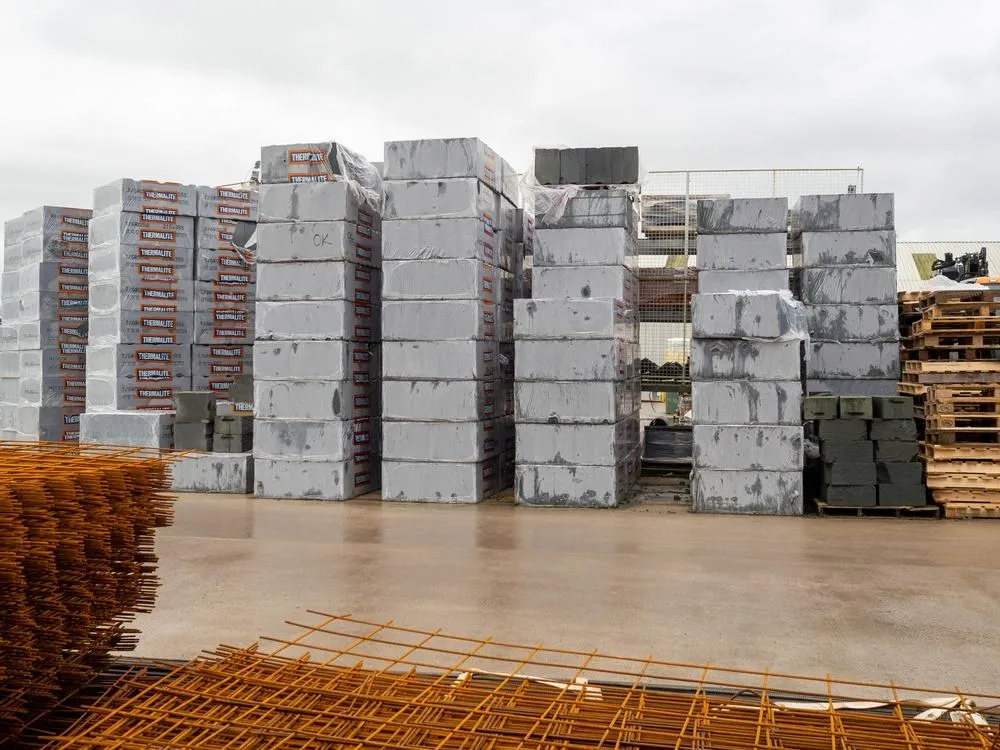
The biggie for products this year will be the Construction Products White Paper which the government says will be published by spring 2026.
The Construction Products Reform Green Paper came out last February, and included proposals for very significant new legal responsibilities for product manufacturers, builders’ merchants, specifiers, designers, builders and many others.
In this year’s White Paper, also expect plans for a publicly available library of construction product test data, the licensing of conformity assessment bodies, and other reforms designed to prevent conflicts of interest in construction products testing and certification.
In the meantime, the Construction Products (Amendment) Regulations 2025 come into force on 8 January this year. These changes align UK law with the new EU Construction Products Regulation, and allow continued recognition of CE-marked products in Great Britain and Digital Product Passports, promoted in the EU since 2024.
The Construction Products Reform Green Paper came out last February, and included proposals for very significant new legal responsibilities for product manufacturers, builders’ merchants, specifiers, designers, builders and many others.
In this year’s White Paper, also expect plans for a publicly available library of construction product test data, the licensing of conformity assessment bodies, and other reforms designed to prevent conflicts of interest in construction products testing and certification.
In the meantime, the Construction Products (Amendment) Regulations 2025 come into force on 8 January this year. These changes align UK law with the new EU Construction Products Regulation, and allow continued recognition of CE-marked products in Great Britain and Digital Product Passports, promoted in the EU since 2024.
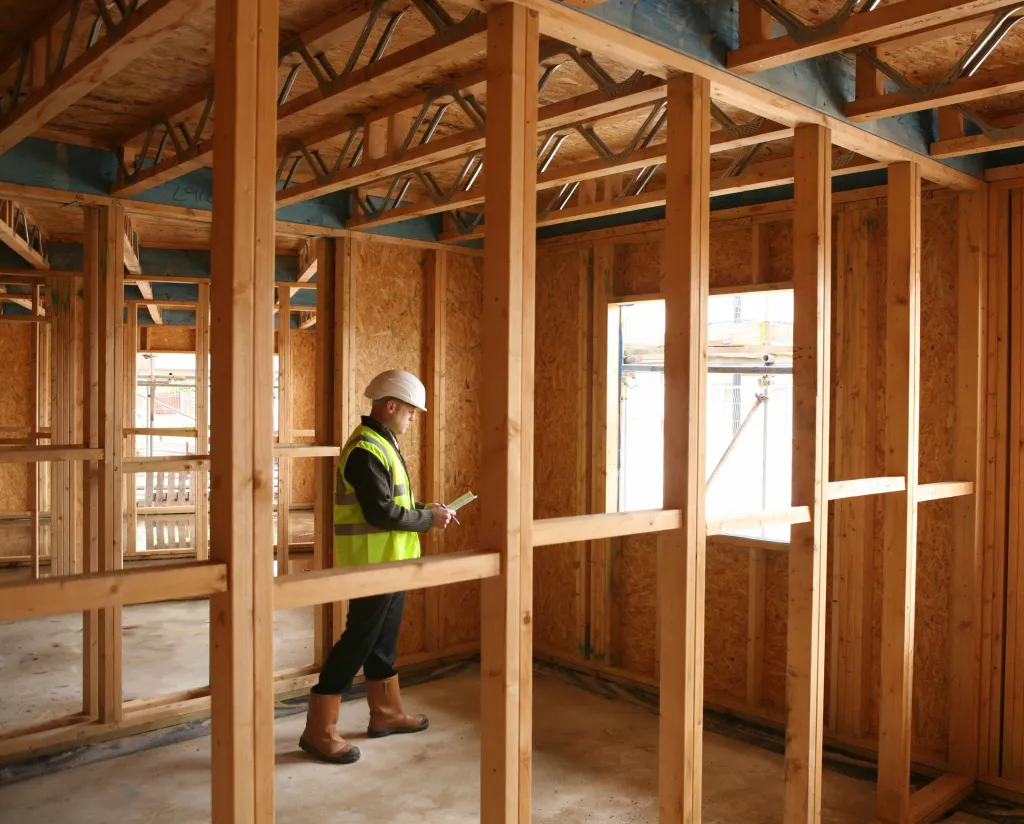
4. Skills and competence
In 2026, the construction industry’s skills crisis remains critical for, well, the zillionth year in a row… and there still doesn’t seem to be much planned to tackle it.
A combination of weak construction markets, the housing downturn and higher employment costs have led to reduced recruitment, and the construction workforce is shrinking rapidly. This is bad news for major projects (see 9 below) but could accelerate adoption of MMC and industrialised construction techniques (see 11 below).
The last Budget announced funding from April for free apprenticeships for under-25s working within SMEs in England. But, sadly, the funding for Master’s level (level 7) apprenticeships is restricted this year and there are already major concerns being voiced about the quality of new, more flexible apprenticeships in construction trades.
Look out for the launch of more short courses in “cutting edge areas” including artificial intelligence, engineering and digital skills, rolling out from April 2026.
NHBC has said it will continue its roll-out of 12 multi-skills training hubs across the UK, and will launch a new timber frame curriculum in 2026.
Perhaps more important though for the broader industry, on 19 January 2026, the Built Environment Competence Hub goes live.
Developed by the Industry Competence Steering Group and managed by the BSI, the Hub aims to provide a central space for all types of construction professionals and trades to access the latest competence frameworks, standards and practical guidance, in one trusted location. If you’re not already signed up, do it today.
A combination of weak construction markets, the housing downturn and higher employment costs have led to reduced recruitment, and the construction workforce is shrinking rapidly. This is bad news for major projects (see 9 below) but could accelerate adoption of MMC and industrialised construction techniques (see 11 below).
The last Budget announced funding from April for free apprenticeships for under-25s working within SMEs in England. But, sadly, the funding for Master’s level (level 7) apprenticeships is restricted this year and there are already major concerns being voiced about the quality of new, more flexible apprenticeships in construction trades.
Look out for the launch of more short courses in “cutting edge areas” including artificial intelligence, engineering and digital skills, rolling out from April 2026.
NHBC has said it will continue its roll-out of 12 multi-skills training hubs across the UK, and will launch a new timber frame curriculum in 2026.
Perhaps more important though for the broader industry, on 19 January 2026, the Built Environment Competence Hub goes live.
Developed by the Industry Competence Steering Group and managed by the BSI, the Hub aims to provide a central space for all types of construction professionals and trades to access the latest competence frameworks, standards and practical guidance, in one trusted location. If you’re not already signed up, do it today.


5. Energy and environment
Interested in energy in buildings? Prepare for a lot of reading all at once.
It sounds like the long-awaited Future Homes Standard (and its non-domestic cousin, the Future Buildings Standard) and the Warm Homes Plan may come out next week, possibly even both at the same time.
Barring any last-minute surprises, the requirements of the Future Homes Standard (effectively, updated Parts L, F, O and S of the Building Regulations) are pretty well understood already. It will mandate solar panels on nearly all houses and high standards of insulation and heat pumps in most cases. Fossil-fuel-free, all-electric homes will be the new normal.
The aim is to ensure new homes produce 75-80% lower carbon emissions compared to homes constructed under 2013 regulations. The Future Buildings Standard sets similar requirements for non-domestic buildings.
Not a fan of heat pumps? There’s a consultation seeking views on low carbon technologies that could be used in properties that may not be suitable for heat pumps and heat networks. The government is interested in alternative technologies across different types of domestic and non-domestic buildings to ensure customers have a choice of suitable low-carbon heating technology options. The consultation closes on 10 February 2026.
2026 will also see a new Part G of the Building Regulations to tackle water efficiency and reduce water usage in new homes from 125 to 105 litres per person per day, using fittings like dual-flush toilets, aerated taps and showerheads.
In existing homes, the ECO4 scheme and Great British Insulation Scheme have been axed. £1.3bn of funding comes to an end in March 2026.
This was not particularly a surprise (see 6 below). But while alternative plans to develop a £15bn new scheme with funding for heat pumps, insulation and other home upgrades has been beset by delays, we now hear the Warm Homes Plan is imminent.
This will set aside about £2bn for grants for solar panels (including 'plug in' versions for your patio or flat roof?), heat pumps and (maybe) batteries for energy storage. Apparently, the government is working with banks and energy companies to allow homeowners to install equipment such as heat pumps with no upfront costs, which would be repaid in bills over five or 10 years.
The Warm Homes Plan may also be the point where ‘green levies’ shift off electricity bills and onto gas, which will mean that electric heating and cooling will become cheaper to run (and therefore boost the Energy Performance Certificates of thousands of homes).
And talking of EPCs, 2026 will be the year when we see meaningful reform to these vital certificates. Hoorah.
Scotland is ahead of the game – its new regulations come into effect on 31 October this year. The reforms represent the most significant shake-up of EPCs in Scotland in over a decade, aiming to provide clearer, more meaningful information for property owners and occupiers.
In Scotland, EPCs will be renewed every five years (instead of 10), there’s a new certificate design and the launch of a new digital EPC platform to show how different measures could improve a home’s performance in terms of energy use, fuel bills and carbon reductions.
Everyone is hoping that England and Wales will follow suit in 2026.
Expect to see new clarity this year on Minimum Energy Efficiency Standards (MEES) for both the domestic and non-domestic sectors too. For example, talk has been of a new EPC C standard for all new private residential and social housing tenancies by 2030, and higher EPC ratings for commercial property even sooner, from next year.
On broader environmental standards that help to counter greenwashing, look out for a new ISO 14001 standard in 2026 to replace the 2015 version, including a stronger focus on climate change, biodiversity, lifecycle impacts and change management.
The UK's Sustainability Reporting Standards (SRS) are still under development, but could come into force for the 2026/27 financial year, depending on the outcome of the consultation process.
The Science Based Targets Initiative is also releasing its new Corporate Net-Zero Standard.
And if you’re big into cement, steel, aluminium or other carbon-intensive materials, watch out for developments this year as the UK gets ready for its Carbon Border Adjustment Mechanism (CBAM) – a significant new policy and tariff system aimed at aligning imported goods with the UK’s environmental standards from January 2027, and which could increase construction costs next year.
It sounds like the long-awaited Future Homes Standard (and its non-domestic cousin, the Future Buildings Standard) and the Warm Homes Plan may come out next week, possibly even both at the same time.
Barring any last-minute surprises, the requirements of the Future Homes Standard (effectively, updated Parts L, F, O and S of the Building Regulations) are pretty well understood already. It will mandate solar panels on nearly all houses and high standards of insulation and heat pumps in most cases. Fossil-fuel-free, all-electric homes will be the new normal.
The aim is to ensure new homes produce 75-80% lower carbon emissions compared to homes constructed under 2013 regulations. The Future Buildings Standard sets similar requirements for non-domestic buildings.
Not a fan of heat pumps? There’s a consultation seeking views on low carbon technologies that could be used in properties that may not be suitable for heat pumps and heat networks. The government is interested in alternative technologies across different types of domestic and non-domestic buildings to ensure customers have a choice of suitable low-carbon heating technology options. The consultation closes on 10 February 2026.
2026 will also see a new Part G of the Building Regulations to tackle water efficiency and reduce water usage in new homes from 125 to 105 litres per person per day, using fittings like dual-flush toilets, aerated taps and showerheads.
In existing homes, the ECO4 scheme and Great British Insulation Scheme have been axed. £1.3bn of funding comes to an end in March 2026.
This was not particularly a surprise (see 6 below). But while alternative plans to develop a £15bn new scheme with funding for heat pumps, insulation and other home upgrades has been beset by delays, we now hear the Warm Homes Plan is imminent.
This will set aside about £2bn for grants for solar panels (including 'plug in' versions for your patio or flat roof?), heat pumps and (maybe) batteries for energy storage. Apparently, the government is working with banks and energy companies to allow homeowners to install equipment such as heat pumps with no upfront costs, which would be repaid in bills over five or 10 years.
The Warm Homes Plan may also be the point where ‘green levies’ shift off electricity bills and onto gas, which will mean that electric heating and cooling will become cheaper to run (and therefore boost the Energy Performance Certificates of thousands of homes).
And talking of EPCs, 2026 will be the year when we see meaningful reform to these vital certificates. Hoorah.
Scotland is ahead of the game – its new regulations come into effect on 31 October this year. The reforms represent the most significant shake-up of EPCs in Scotland in over a decade, aiming to provide clearer, more meaningful information for property owners and occupiers.
In Scotland, EPCs will be renewed every five years (instead of 10), there’s a new certificate design and the launch of a new digital EPC platform to show how different measures could improve a home’s performance in terms of energy use, fuel bills and carbon reductions.
Everyone is hoping that England and Wales will follow suit in 2026.
Expect to see new clarity this year on Minimum Energy Efficiency Standards (MEES) for both the domestic and non-domestic sectors too. For example, talk has been of a new EPC C standard for all new private residential and social housing tenancies by 2030, and higher EPC ratings for commercial property even sooner, from next year.
On broader environmental standards that help to counter greenwashing, look out for a new ISO 14001 standard in 2026 to replace the 2015 version, including a stronger focus on climate change, biodiversity, lifecycle impacts and change management.
The UK's Sustainability Reporting Standards (SRS) are still under development, but could come into force for the 2026/27 financial year, depending on the outcome of the consultation process.
The Science Based Targets Initiative is also releasing its new Corporate Net-Zero Standard.
And if you’re big into cement, steel, aluminium or other carbon-intensive materials, watch out for developments this year as the UK gets ready for its Carbon Border Adjustment Mechanism (CBAM) – a significant new policy and tariff system aimed at aligning imported goods with the UK’s environmental standards from January 2027, and which could increase construction costs next year.
6. Retrofit and refurbishment
Last year’s devastating National Audit Office report laid bare the terrible extent of workmanship problems and downright fraud in the retrofit work funded by government schemes such as ECO. That scheme, the only nationwide fuel poverty scheme, has now been abolished on the basis of “poor value for money”.
This has caused a lot of concern. There are fears that 2026 will see job cuts and business closures across retrofit trades – which is fine if it’s the cowboys that go out of business, but not at all good news if it impacts the many thousands of professional, reputable retrofit experts needed to improve the UK housing stock and get people out of fuel poverty.
But one thing I think is very likely in 2026 is a shakeup of the consumer protection regime around retrofit work. Could it lead to more mandatory licensing of installers (see 2 above)? I know of many who would support that wholeheartedly.
Looking at refurbishment issues more broadly, it’s worth noting that in the commercial property sector, developers are increasingly in favour of reuse and refurbishment instead of demolish and new build, and 2026 will continue to emphasise the importance of reducing waste in all building and fit-out work, which is great news.
This has caused a lot of concern. There are fears that 2026 will see job cuts and business closures across retrofit trades – which is fine if it’s the cowboys that go out of business, but not at all good news if it impacts the many thousands of professional, reputable retrofit experts needed to improve the UK housing stock and get people out of fuel poverty.
But one thing I think is very likely in 2026 is a shakeup of the consumer protection regime around retrofit work. Could it lead to more mandatory licensing of installers (see 2 above)? I know of many who would support that wholeheartedly.
Looking at refurbishment issues more broadly, it’s worth noting that in the commercial property sector, developers are increasingly in favour of reuse and refurbishment instead of demolish and new build, and 2026 will continue to emphasise the importance of reducing waste in all building and fit-out work, which is great news.


7. Digitalisation, AI and robots
Construction has only just started to see the potential in AI, so it’s no surprise that this will be a big topic of interest again in 2026.
As Muyiwa Oki, past president at the RIBA, told Building recently: “For architecture, as a professional service, it means more than faster rendering. It could also mean many things, such as rethinking design-to-delivery processes. Embedding intelligence into specification, as well as using AI to interrogate carbon, cost, and compliance in real-time… faster optioneering, better clash detection, richer understanding materials, and stronger whole-life carbon accounting.”
Expect increasing integration of AI into all aspects of project management and risk assessments too.
Another trend that is hotly tipped for 2026 is the increasing integration of digital apps, software and technologies that unlock new levels of productivity and efficiency in construction.
In this year’s autumn Budget, look out for a firmer timeline on e-invoicing (XML, UBL and other machine-readable formats) and the end of paper VAT invoices in construction. This will be another way to force efficiency and collaborative working in the sector.
Oh, and the first generation of the Neo humanoid home robots will ship this year. So robots on construction sites? Definitely coming soon.
As Muyiwa Oki, past president at the RIBA, told Building recently: “For architecture, as a professional service, it means more than faster rendering. It could also mean many things, such as rethinking design-to-delivery processes. Embedding intelligence into specification, as well as using AI to interrogate carbon, cost, and compliance in real-time… faster optioneering, better clash detection, richer understanding materials, and stronger whole-life carbon accounting.”
Expect increasing integration of AI into all aspects of project management and risk assessments too.
Another trend that is hotly tipped for 2026 is the increasing integration of digital apps, software and technologies that unlock new levels of productivity and efficiency in construction.
In this year’s autumn Budget, look out for a firmer timeline on e-invoicing (XML, UBL and other machine-readable formats) and the end of paper VAT invoices in construction. This will be another way to force efficiency and collaborative working in the sector.
Oh, and the first generation of the Neo humanoid home robots will ship this year. So robots on construction sites? Definitely coming soon.
8. Land use planning
The Planning and Infrastructure Act became law at the end of last year.
It aims to “remove blockages and delays in the planning system, accelerating the construction of tens of thousands of new homes across every region.” It also promises “dozens of new roads, railway lines, windfarms, and key critical infrastructure built quicker – all while securing a win-win for the environment and the economy.”
In the meantime, the consultation on the rewrite of the National Planning Policy Framework (NPPF) closes on 10 March 2026.
It’s a biggie. The revised NPPF is over 100 pages long and is accompanied by a 123-page consultation document containing 225 questions. But in there you will find many ideas for improvements, including faster Local Plans, mandatory design codes, more ways to bypass planning committees, more development near railway and tram stations, and lovely new homes for swifts, bats and hedgehogs.
A new “medium site” category, covering developments of between 10 and 49 homes, is also proposed, designed to ensure more proportionate rules and costs for SME builders, including consideration of a potential exemption from the Building Safety Levy (see 1 above).
It aims to “remove blockages and delays in the planning system, accelerating the construction of tens of thousands of new homes across every region.” It also promises “dozens of new roads, railway lines, windfarms, and key critical infrastructure built quicker – all while securing a win-win for the environment and the economy.”
In the meantime, the consultation on the rewrite of the National Planning Policy Framework (NPPF) closes on 10 March 2026.
It’s a biggie. The revised NPPF is over 100 pages long and is accompanied by a 123-page consultation document containing 225 questions. But in there you will find many ideas for improvements, including faster Local Plans, mandatory design codes, more ways to bypass planning committees, more development near railway and tram stations, and lovely new homes for swifts, bats and hedgehogs.
A new “medium site” category, covering developments of between 10 and 49 homes, is also proposed, designed to ensure more proportionate rules and costs for SME builders, including consideration of a potential exemption from the Building Safety Levy (see 1 above).
9. Infrastructure
Prepare for a new powerhouse in major projects in 2026.
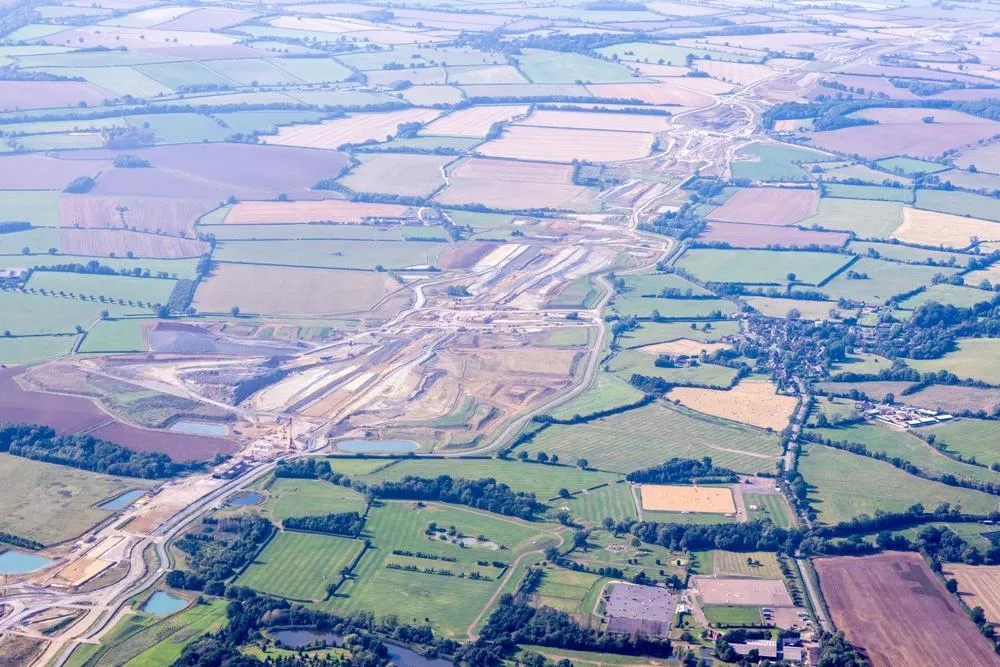
2026 will be a key year for the National Infrastructure and Service Transformation Authority (NISTA).
NISTA reports into the Treasury and the Cabinet Office, creating even closer financial and ministerial control and scrutiny on the country’s largest infrastructure projects. It has already started some positive work, including the launch last year of its infrastructure pipeline tool, providing visibility into 780 planned projects worth £530bn over the next decade.
The hope is that NISTA will significantly speed up delivery of the major infrastructure projects which are so vital for economic and industry recovery.
Meanwhile, the government has confirmed it will be rolling out mandatory Biodiversity Net Gain requirements for Nationally Significant Infrastructure Projects, like power stations and major highways, from May 2026. Their size means they have an opportunity to deliver important biodiversity benefits, which will play a significant part in helping to halt nature’s decline.
2026 will be a key year for the National Infrastructure and Service Transformation Authority (NISTA).
NISTA reports into the Treasury and the Cabinet Office, creating even closer financial and ministerial control and scrutiny on the country’s largest infrastructure projects. It has already started some positive work, including the launch last year of its infrastructure pipeline tool, providing visibility into 780 planned projects worth £530bn over the next decade.
The hope is that NISTA will significantly speed up delivery of the major infrastructure projects which are so vital for economic and industry recovery.
Meanwhile, the government has confirmed it will be rolling out mandatory Biodiversity Net Gain requirements for Nationally Significant Infrastructure Projects, like power stations and major highways, from May 2026. Their size means they have an opportunity to deliver important biodiversity benefits, which will play a significant part in helping to halt nature’s decline.

10. Housebuilding targets and New Towns
If all this change happening in 2026 is leaving you feeling anxious, here’s a little light relief.
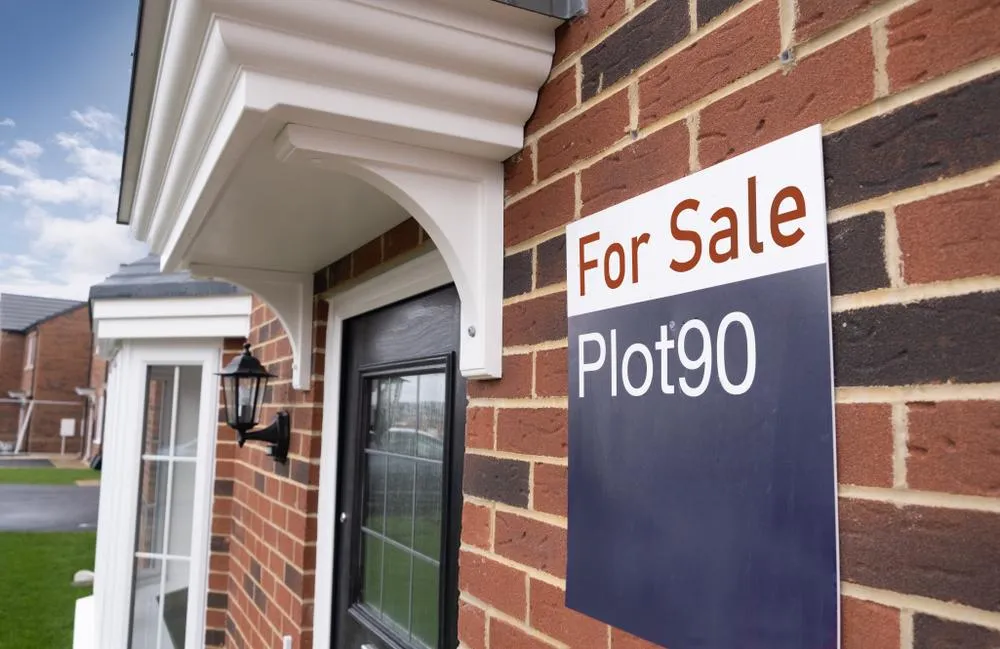
Yes, it’s the big, beautiful Build, Baby Build promise to build 1.5 million new homes by the end of this parliament in 2029. Permission to ROFLMAO.
Experts are currently forecasting about 160,000 housing completions in 2026, about half of what is needed.
The government’s current strategy to boost homebuilding seems to be mostly focused on planning reform (see 8 above).
But then there’s the New Towns Taskforce. This has already made recommendations for 12 new town locations (new communities of 10,000 homes or more). The government has chosen three it considers to have the most potential for speedy delivery – South Bank in Leeds, Crews Hill in Enfield, and Tempsford in Bedfordshire.
However, no final decisions will be made until a programme-wide strategic environmental assessment is concluded in February. A formal consultation will also launch at that time, which will also propose an advisory group to provide expert advice on delivery, placemaking, quality and design.
In the meantime, great hope is also being placed in the Social and Affordable Housing Programme (“the biggest social housing programme in a generation”), which is providing grant funding to support more council housing in England, in particular homes for rent or shared ownership, and supported housing for older, disabled and vulnerable people. £7bn of the funding will be controlled by six mayors outside London. Bidding opens in February and the money should start to flow in from April.
The National Housing Bank also becomes operational in April 2026, a subsidiary of Homes England. The bank aims to deliver more than 500,000 new homes with help from private sector investment.
What of the housing market itself?
Most expect to see continuing interest rate cuts in 2026, which should help. Regulatory changes this year should also make it easier for first-time buyers, pensioners and the self-employed to access more flexible home loans.
And there are also increasing expectations of some sort of new ‘Help to Buy’ scheme this year – said to be particularly likely if homebuilding and new home sales remain stubbornly depressed for another year, which the government just couldn’t afford to let happen.
Yes, it’s the big, beautiful Build, Baby Build promise to build 1.5 million new homes by the end of this parliament in 2029. Permission to ROFLMAO.
Experts are currently forecasting about 160,000 housing completions in 2026, about half of what is needed.
The government’s current strategy to boost homebuilding seems to be mostly focused on planning reform (see 8 above).
But then there’s the New Towns Taskforce. This has already made recommendations for 12 new town locations (new communities of 10,000 homes or more). The government has chosen three it considers to have the most potential for speedy delivery – South Bank in Leeds, Crews Hill in Enfield, and Tempsford in Bedfordshire.
However, no final decisions will be made until a programme-wide strategic environmental assessment is concluded in February. A formal consultation will also launch at that time, which will also propose an advisory group to provide expert advice on delivery, placemaking, quality and design.
In the meantime, great hope is also being placed in the Social and Affordable Housing Programme (“the biggest social housing programme in a generation”), which is providing grant funding to support more council housing in England, in particular homes for rent or shared ownership, and supported housing for older, disabled and vulnerable people. £7bn of the funding will be controlled by six mayors outside London. Bidding opens in February and the money should start to flow in from April.
The National Housing Bank also becomes operational in April 2026, a subsidiary of Homes England. The bank aims to deliver more than 500,000 new homes with help from private sector investment.
What of the housing market itself?
Most expect to see continuing interest rate cuts in 2026, which should help. Regulatory changes this year should also make it easier for first-time buyers, pensioners and the self-employed to access more flexible home loans.
And there are also increasing expectations of some sort of new ‘Help to Buy’ scheme this year – said to be particularly likely if homebuilding and new home sales remain stubbornly depressed for another year, which the government just couldn’t afford to let happen.
11. MMC and industrialised construction
After another torrid year of business failures in MMC, the hope is that 2026 will see a clearer committed pipeline and more robust business model for offsite construction methods.
It won’t be all about housing though. 2026 is already shaping up to see more MMC approaches used to speed up delivery of new build schools, healthcare facilities and blue light infrastructure.
The UK government continues to promote a "presumption in favour of offsite construction" across suitable public sector projects and infrastructure programmes. It also launched the Industrialising and Digitising Construction Research and Innovation Challenge last year, with a share of £4m funding going towards "the creation of a digital marketplace to develop and deliver standardised industrialised building components and processes at scale".
Over the water, there’s a lot of interest in Ireland’s National Demonstration Park for MMC, where the first units are close to completion. Training and industry and public engagement activity will be scaling throughout 2026.
It won’t be all about housing though. 2026 is already shaping up to see more MMC approaches used to speed up delivery of new build schools, healthcare facilities and blue light infrastructure.
The UK government continues to promote a "presumption in favour of offsite construction" across suitable public sector projects and infrastructure programmes. It also launched the Industrialising and Digitising Construction Research and Innovation Challenge last year, with a share of £4m funding going towards "the creation of a digital marketplace to develop and deliver standardised industrialised building components and processes at scale".
Over the water, there’s a lot of interest in Ireland’s National Demonstration Park for MMC, where the first units are close to completion. Training and industry and public engagement activity will be scaling throughout 2026.
12. Tackling late payment
Last autumn’s consultation on late payments and tackling poor payment practices pointed out that these problems "cost the UK economy almost £11 billion per year and close down 38 UK businesses every day.” Its proposals aim to improve cash flow through supply chains and support small businesses with payment disputes.
So keep your ears to the ground on this in 2026, particularly once the government publishes its response this spring. It is also looking at banning retentions in construction, which could be really big news this year.
In the meantime, an immediate change starting this month is the requirement for large companies to include a summary of their payment results (such as average payment days, percentage of invoices paid within 30, 60, and over 60 days) in their annual Directors' Reports. This should help with transparency on this major issue.
So keep your ears to the ground on this in 2026, particularly once the government publishes its response this spring. It is also looking at banning retentions in construction, which could be really big news this year.
In the meantime, an immediate change starting this month is the requirement for large companies to include a summary of their payment results (such as average payment days, percentage of invoices paid within 30, 60, and over 60 days) in their annual Directors' Reports. This should help with transparency on this major issue.


13. Private rented sector reforms
The Renters’ Rights Act will trigger a complete overhaul in the private rented sector this year.
It takes effect from 1 May 2026, and affects the best part of 11 million new and existing tenancies in England.
Among the many major changes it brings for 2026, landlords will see ‘no fault’ evictions abolished, new open-ended “assured periodic tenancies” becoming the norm giving tenants more security, rent increases limited to once a year, no more bidding wars, and (later this year) the establishment of a mandatory national register for landlords and new Rent Ombudsman.
Awaab’s Law is also likely to be extended to the private rented sector (see 14 below), ensuring homes are properly maintained and significant hazards dealt with quickly.
Is this all too much for private landlords? Many are predicting a sharp fall in the number of properties to rent in 2026 as more landlords decide to sell up.
It takes effect from 1 May 2026, and affects the best part of 11 million new and existing tenancies in England.
Among the many major changes it brings for 2026, landlords will see ‘no fault’ evictions abolished, new open-ended “assured periodic tenancies” becoming the norm giving tenants more security, rent increases limited to once a year, no more bidding wars, and (later this year) the establishment of a mandatory national register for landlords and new Rent Ombudsman.
Awaab’s Law is also likely to be extended to the private rented sector (see 14 below), ensuring homes are properly maintained and significant hazards dealt with quickly.
Is this all too much for private landlords? Many are predicting a sharp fall in the number of properties to rent in 2026 as more landlords decide to sell up.

14. Social housing and healthy home standards
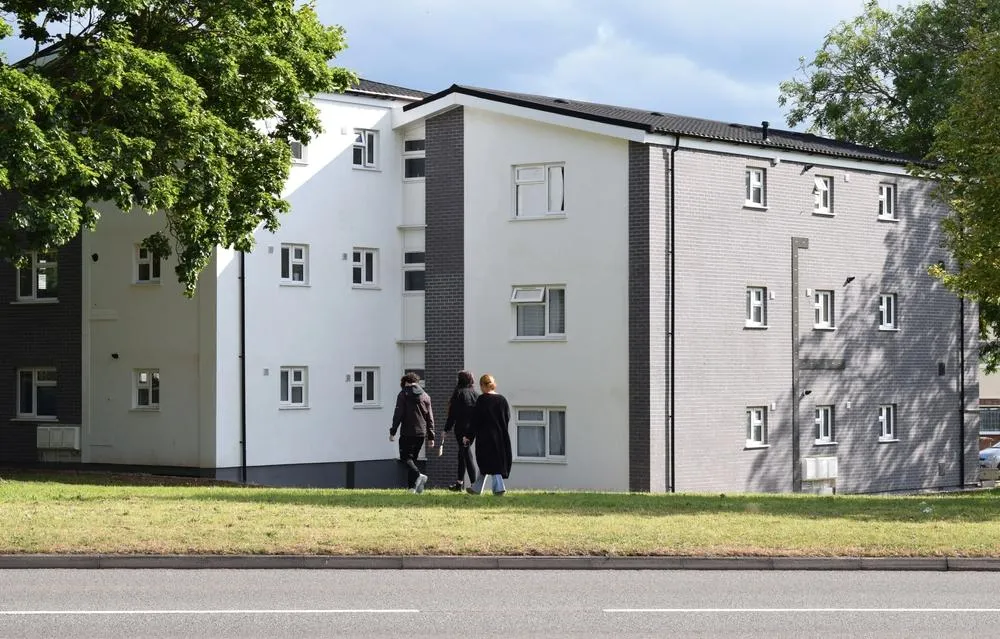
For registered social housing providers, the big news they are hoping for in 2026 is confirmation of ‘rent convergence’ – a policy that means people pay similar rents for similar properties, while remaining well below market rates. An announcement is due soon.
This policy could provide significant additional funding into the sector, so social housing organisations are urging government to introduce rent convergence as part of a new 10-year rent settlement for social housing starting in April 2026.
As mentioned earlier (see 10 above), the 10-year Social and Affordable Housing Programme will also start to nudge forward more new build and specialist housing in the public sector.
Meanwhile, it’s worth noting that Awaab’s Law was not a one-off event last year.
While phase one of the law took effect in England from last October (focused on emergency hazards and significant damp and mould issues), phase two starts in October 2026 and will require social landlords to tackle additional hazards such as excess cold/heat, fall risks, structural and electrical issues, and domestic hygiene concerns. Phase three is scheduled for 2027.
Wales is updating its Welsh Housing Quality Standard to reflect the requirements in Awaab's Law, and this will take effect for Welsh social landlords from 1 April 2026.Look out too for the government's response this year to its consultation on the updated Decent Homes Standard, covering longer-term requirements on safety, energy efficiency and healthy homes.
By the way, on the subject of safer and healthier homes, do make sure you support an attempt at lunchtime on 13 January to set a World Record for answering the most public questions about home health issues. People across the UK will be sending in their real concerns about damp, mould, ventilation, condensation, and other problems affecting their homes. You can watch it live on YouTube.
This policy could provide significant additional funding into the sector, so social housing organisations are urging government to introduce rent convergence as part of a new 10-year rent settlement for social housing starting in April 2026.
As mentioned earlier (see 10 above), the 10-year Social and Affordable Housing Programme will also start to nudge forward more new build and specialist housing in the public sector.
Meanwhile, it’s worth noting that Awaab’s Law was not a one-off event last year.
While phase one of the law took effect in England from last October (focused on emergency hazards and significant damp and mould issues), phase two starts in October 2026 and will require social landlords to tackle additional hazards such as excess cold/heat, fall risks, structural and electrical issues, and domestic hygiene concerns. Phase three is scheduled for 2027.
Wales is updating its Welsh Housing Quality Standard to reflect the requirements in Awaab's Law, and this will take effect for Welsh social landlords from 1 April 2026.Look out too for the government's response this year to its consultation on the updated Decent Homes Standard, covering longer-term requirements on safety, energy efficiency and healthy homes.
By the way, on the subject of safer and healthier homes, do make sure you support an attempt at lunchtime on 13 January to set a World Record for answering the most public questions about home health issues. People across the UK will be sending in their real concerns about damp, mould, ventilation, condensation, and other problems affecting their homes. You can watch it live on YouTube.
15. Public sector procurement
Reform in public sector procurement has been going on for years, and continues in 2026.
In particular, the Government Commercial Agency launches on 1 April 2026, merging commercial functions from the Cabinet Office and Crown Commercial Service. The unified agency will support the entire public sector by centralising commercial expertise, improving procurement processes, and using over £400bn of purchasing power to secure better deals and streamline services.
We expect to see a lot of emphasis in 2026 continuing to be placed on social value in procurement.
But there will be a crackdown on ‘purpose washing’. We already know that the government is considering requiring contracting authorities (such as councils and public sector construction clients) to use standard social value criteria and metrics selected from a streamlined list in their procurement of public contracts.
This is going to be an interesting topic to track, and we may see further changes to the Procurement Act this year.
In particular, the Government Commercial Agency launches on 1 April 2026, merging commercial functions from the Cabinet Office and Crown Commercial Service. The unified agency will support the entire public sector by centralising commercial expertise, improving procurement processes, and using over £400bn of purchasing power to secure better deals and streamline services.
We expect to see a lot of emphasis in 2026 continuing to be placed on social value in procurement.
But there will be a crackdown on ‘purpose washing’. We already know that the government is considering requiring contracting authorities (such as councils and public sector construction clients) to use standard social value criteria and metrics selected from a streamlined list in their procurement of public contracts.
This is going to be an interesting topic to track, and we may see further changes to the Procurement Act this year.


16. And finally...
Foster + Partners’ final design of Queen Elizabeth II’s official memorial in St James’s Park will be unveiled in April 2026, most likely with additional memorial projects in Scotland, Wales and Northern Ireland, to coincide with what would have been Queen Elizabeth’s hundredth birthday year.
A decision on the refurbishment of the Palace of Westminster and Houses of Parliament is likely to be announced this year too, thank goodness. What Guy Fawkes could not achieve in 1605 will likely come about of its own accord if something’s not done soon.
And closer to home – just 12 miles from LMC Towers – plans are rapidly taking shape for Universal Studios Great Britain at the former brickworks at Kempston Hardwick in Bedfordshire. It will be Europe’s largest theme park. It is expected to generate nearly £50bn of economic benefit and create 20,000 construction jobs. And may very likely feature in one of our team away days soon…
So there you have it, a canter through a lot of change in 2026 for the UK’s built environment sector. What an exciting time ahead!
If you’re a changemaker yourself and want to influence or be close to the innovations for this year or beyond, give LMC a call. We’re made for people like you.
A decision on the refurbishment of the Palace of Westminster and Houses of Parliament is likely to be announced this year too, thank goodness. What Guy Fawkes could not achieve in 1605 will likely come about of its own accord if something’s not done soon.
And closer to home – just 12 miles from LMC Towers – plans are rapidly taking shape for Universal Studios Great Britain at the former brickworks at Kempston Hardwick in Bedfordshire. It will be Europe’s largest theme park. It is expected to generate nearly £50bn of economic benefit and create 20,000 construction jobs. And may very likely feature in one of our team away days soon…
So there you have it, a canter through a lot of change in 2026 for the UK’s built environment sector. What an exciting time ahead!
If you’re a changemaker yourself and want to influence or be close to the innovations for this year or beyond, give LMC a call. We’re made for people like you.