War in Iran - the impact on construction so far
In our latest round-up, Simon White looks at the potential fallout of the Iran war and the factors the industry will be watching closely as the conflict progresses.
By Simon White
29 Apr 2026
The war in Iran is the latest in a series of disruptions hammering the construction industry, with impacts on inflation, viability and delivery. The immediate effect is rising fuel and material costs, but the more important shift is macroeconomic: higher inflation, delayed interest rate cuts and weaker growth, all of which suppress development activity.
In our latest round-up, Simon White looks at the potential fallout and the factors the industry will be watching closely as the conflict progresses.
In our latest round-up, Simon White looks at the potential fallout and the factors the industry will be watching closely as the conflict progresses.
The biggest risk to construction
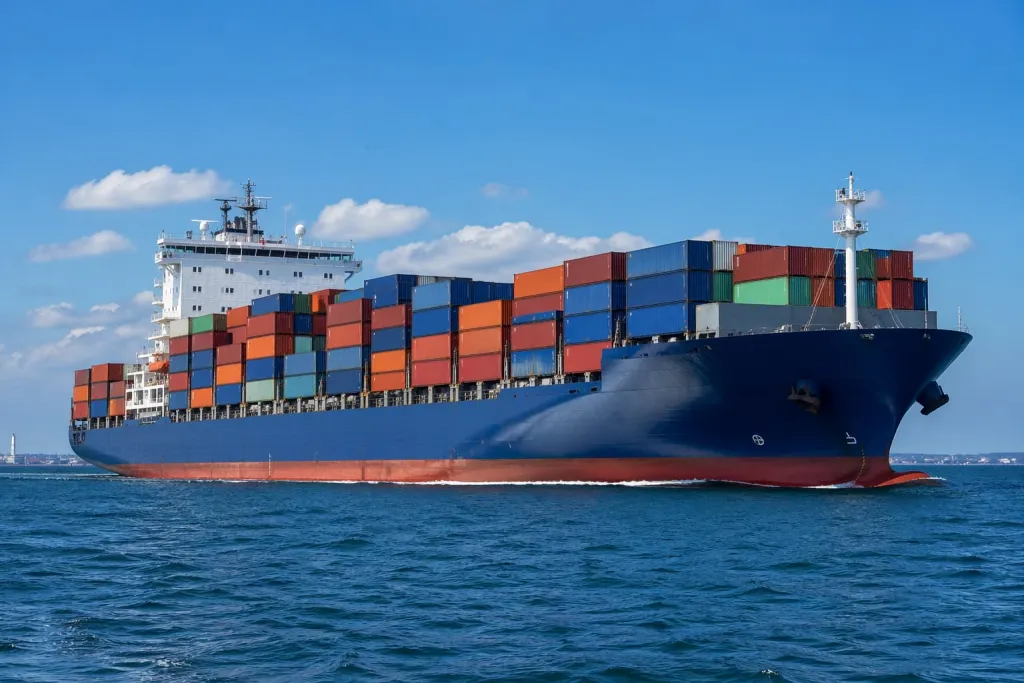
An update published by the Construction Leadership Council (CLC)’s materials group said: “The biggest risk today stems from the impact of the Middle East conflict.” They cited disruption to imports with shipping costs rising between 20% and 100%, with extended delivery times due to the closure of the Strait of Hormuz.
Fuel costs cause construction inflation
According to the CLC, every 10% increase in oil price adds 0.3% on construction inflation. That’s because the impact of oil goes far beyond transport, with derivatives used in plastic products and chemical compounds, to name a few. Oil is up around 30% since the start of the conflict.

A real steel
A rapid rise in energy prices is likely to have an immediate impact on material costs, particularly for products reliant on energy-intensive manufacturing processes like steel and concrete. The CLC warned that “steel is now the biggest concern: prices are changing so rapidly that some companies are struggling to obtain reliable quotes.”
They predicted increases of up to 70% for some steel types when combined with upcoming changes to tariffs.
They predicted increases of up to 70% for some steel types when combined with upcoming changes to tariffs.

Immediate impact on housebuilders
The stock market value of Crest Nicholson dropped more than 35% after the housebuilder warned it is unlikely to make a profit this year due to the war in Iran. It claimed uncertainty is denting consumer confidence, increasing costs and paralysing the land market.

The cost of inflation
A spike in inflation is likely in the near term due to oil and energy prices. Lending rates have already risen by one percentage point and will rise further if the Bank of England intervenes. As the cost of borrowing increases, we are likely to see further blows to homebuyer appetite and to the viability of projects.
As the conflict in the Middle East enters its third month, industry leaders will be watching closely to see how further price rises impact businesses and projects.
If you need help navigating this evolving landscape and positioning yourself for future growth, please get in touch with our team.
As the conflict in the Middle East enters its third month, industry leaders will be watching closely to see how further price rises impact businesses and projects.
If you need help navigating this evolving landscape and positioning yourself for future growth, please get in touch with our team.
By Simon White
29 Apr 2026