Turning data into national stories
Our data lead, Simon White, highlights six statistics that define the industry today and what they reveal about its future.
by
Simon White
03 Nov 2025

In today’s crowded media landscape, journalists are flooded with opinions. But what cuts through is evidence. If you want your organisation to be seen as credible, trusted and essential, data-driven storytelling is one of the most powerful tools you can use.
At LMC, we’ve seen first-hand how transforming data into compelling stories can shift the agenda. Our work with Barbour ABI, turning them into a leading authority on construction data in the UK, shows just how far this strategy can take you.
Here’s our guide to making data stories headline news.
At LMC, we’ve seen first-hand how transforming data into compelling stories can shift the agenda. Our work with Barbour ABI, turning them into a leading authority on construction data in the UK, shows just how far this strategy can take you.
Here’s our guide to making data stories headline news.
1. Build stories, not spreadsheets
Raw data doesn’t make headlines. Insights do. The first step is to analyse your data for patterns and trends that matter beyond your organisation. Journalists want the “so what?” in the form of the human, political or economic angle.
We developed our inhouse data analytics skills so that we could flag emerging risks and opportunities in our client’s data faster: contractor collapses, government pipeline delays, and the boom in new sectors like data centres. By turning complex data into accessible, newsworthy insights, we gave journalists something they could run with immediately.
We developed our inhouse data analytics skills so that we could flag emerging risks and opportunities in our client’s data faster: contractor collapses, government pipeline delays, and the boom in new sectors like data centres. By turning complex data into accessible, newsworthy insights, we gave journalists something they could run with immediately.
2. Add context
Numbers resonate more when they’re compared to something else. Whether it’s showing the biggest rise in a decade, contrasting one region against another, or setting your data against official benchmarks, context makes your story sharper and more urgent.
During the ISG collapse, LMC didn’t just say how many projects were affected. We compared the situation to Carillion’s downfall, showing why it was the most significant contractor failure since 2018. That comparison gave journalists the headline they needed.
During the ISG collapse, LMC didn’t just say how many projects were affected. We compared the situation to Carillion’s downfall, showing why it was the most significant contractor failure since 2018. That comparison gave journalists the headline they needed.
3. Move at the speed of news
National media works to tight deadlines. If you can’t deliver insight before the morning news conference, you’ve missed your moment. That’s why you need a rapid response workflow.
When ISG collapsed in 2024, we had pre-prepared analysis ready. By 9:30am, we’d supplied journalists with the number of government contracts affected and the potential impact on prison building programmes. The BBC, Guardian and Daily Mail all led with our client’s data.
When ISG collapsed in 2024, we had pre-prepared analysis ready. By 9:30am, we’d supplied journalists with the number of government contracts affected and the potential impact on prison building programmes. The BBC, Guardian and Daily Mail all led with our client’s data.
4. Invest in relationships
Journalists won’t trust your data if they don’t trust you. Building long-term credibility matters just as much as the story itself.
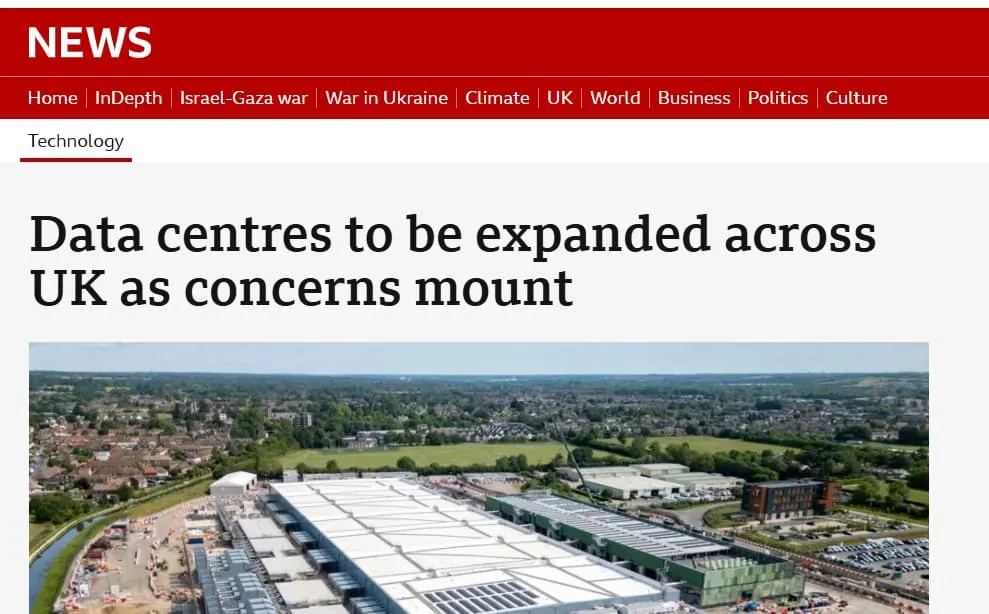
Our team spent months working directly with BBC analysts on a data centre story after we identified a steep rise in planning applications for these energy hungry facilities. That persistence paid off when Barbour ABI’s insights became a lead story on BBC News, generating over a million online views and over 1,800 reader comments, as well as featuring on BBC breakfast and lunchtime news.
Our team spent months working directly with BBC analysts on a data centre story after we identified a steep rise in planning applications for these energy hungry facilities. That persistence paid off when Barbour ABI’s insights became a lead story on BBC News, generating over a million online views and over 1,800 reader comments, as well as featuring on BBC breakfast and lunchtime news.
5. Think beyond coverage
National headlines are powerful, but the real value lies in what you do next. Media visibility should feed your wider marketing and sales strategy.
For Barbour ABI, high-profile coverage became fuel for social media, webinars and new product development. Their ISG collapse webinar attracted almost 500 sales leads, while new dashboards inspired by media demand have become a USP for clients.
For Barbour ABI, high-profile coverage became fuel for social media, webinars and new product development. Their ISG collapse webinar attracted almost 500 sales leads, while new dashboards inspired by media demand have become a USP for clients.
Final thought
National media coverage with data stories isn’t about luck. It’s about strategy, speed and substance. With the right preparation, your organisation’s data can shape headlines, influence policy and generate tangible business impact.
At LMC, we call this ‘Data Driven PR’. It’s about finding the story in your data and making sure it gets heard by the people who matter most.
If you’d like to explore how LMC can help you turn your data into headlines, get in touch with our team.
At LMC, we call this ‘Data Driven PR’. It’s about finding the story in your data and making sure it gets heard by the people who matter most.
If you’d like to explore how LMC can help you turn your data into headlines, get in touch with our team.
Simon’s top tips for Data Driven PR
- Set clear goals - whether that’s lead generation, stakeholder engagement, or positioning alongside other industry benchmarks.
- Ask yourself: What hidden story in your data would spark public debate or policymaker interest?
- Research and monitor industry trends and pre-build data packages around likely scenarios so you’re ready to react instantly.
- Identify priority journalists and help them understand your data. Share background briefings, not just press releases.
- Consider how you will convert media exposure into leads, partnerships or policy influence so you are ready to reap the benefits.
By Simon White
03 Nov 2025