Five big construction changes from March
From low-carbon homes and plug-in solar to new towns, payment reform and building safety, March has brought a string of changes that are set to shake up the construction industry. In March’s round-up, Holly Lavelle highlights five of the biggest changes to keep an eye on.
by
Holly Packham
31 Mar 2026
From low-carbon homes and plug-in solar to new towns, payment reform and building safety, March has brought a string of changes that are set to shake up the construction industry. In March’s round-up, Holly Lavelle highlights five of the biggest changes to keep an eye on.
The Future Homes and Buildings Standards
The Future Homes and Buildings Standards mark a major shift in England, with low-carbon heating and solar set to play a much bigger role in future delivery. The aim is to deliver homes that are cheaper to run, produce lower emissions and avoid costly retrofit work later on. The challenge now will be making sure the industry fully understands the changes so they can be adopted consistently and effectively across the supply chain.

Plug-in solar solutions
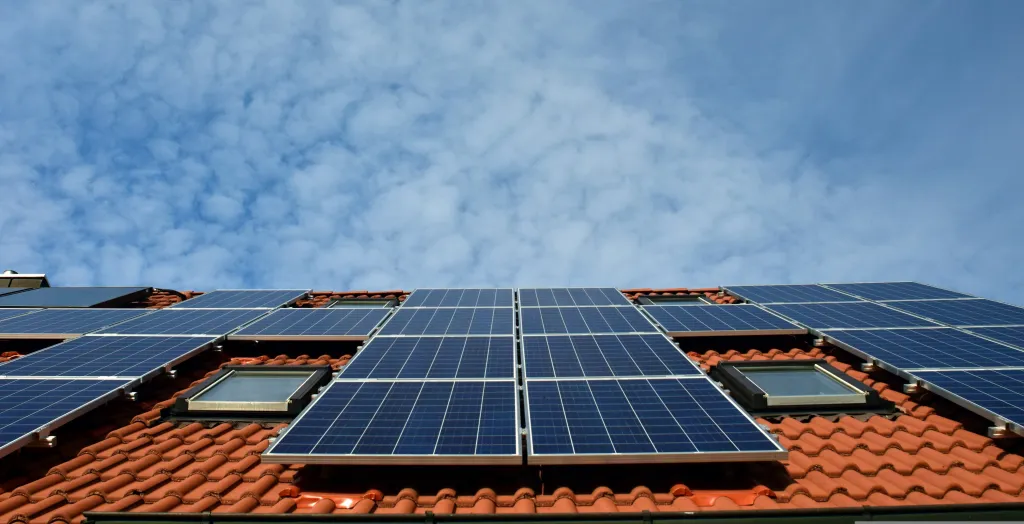
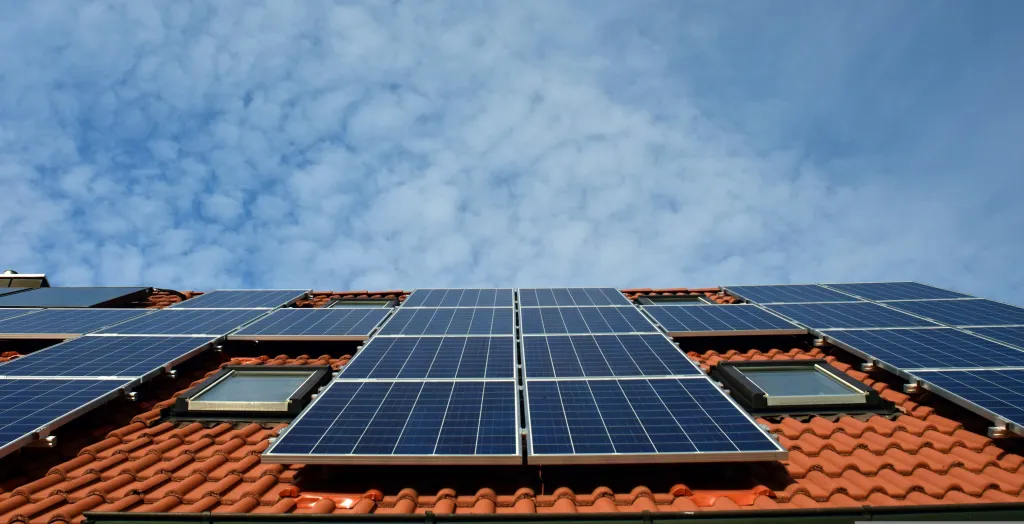
The Government aims to make plug-in solar available within months. This could open up renewable energy to more households, particularly those in flats or homes where rooftop panels are not practical. But before it is rolled out fully, safety, fire risk, and clear guidance will need to be properly considered to ensure the solar industry remains compliant and safe.
New towns take shape
The seven new towns have been confirmed by the Government, giving the industry a clearer picture of where major development opportunities may emerge. The announcement points to long-term investment in housing, infrastructure and regeneration. The bigger test, however, will be whether that ambition is matched by realistic delivery on planning, funding and infrastructure developments.
A crackdown on payments
The toughest crackdown on late payments in more than 25 years has been announced. The Government wants to include a new 60-day cap on payment terms and mandatory interest on late payments. That could make a real difference for smaller firms, which continue to face pressure on cash flow. But there are questions about how this will be enforced and whose responsibility this will be.
Gateway 2 moving ahead
The Building Safety Regulator announced that the backlog of Gateway 2 legacy cases has nearly cleared. After serious industry concern around the delays, this is a positive step forward. The next challenge is to ensure that the industry gets a more predictable approvals process, and that Gateway 3 doesn’t become a similar bottleneck for the industry.
Together, these developments show a sector pushing forward on sustainability, energy stability and residential development. March has brought momentum, but also clear pressure points that the industry will need to navigate carefully if these changes are to truly succeed.
By Holly Packham
31 Mar 2026