Crisis and issues management post-Grenfell
Dan Gerrella explores how the Grenfell tragedy has changed crisis and issues management across the built environment, increasing scrutiny on organisations and the wider sector. He examines the lessons boards can learn to manage reputational risk, strengthen resilience and prepare more effectively for future crises.
By Wing Tsang
15 Sep 2026
Organisations are under increasing scrutiny and facing increasing risks.
A crisis or issue can occur at any time. A failure to prepare means the reputational impact and damage is likely to be far higher than those who have a plan and processes in place.
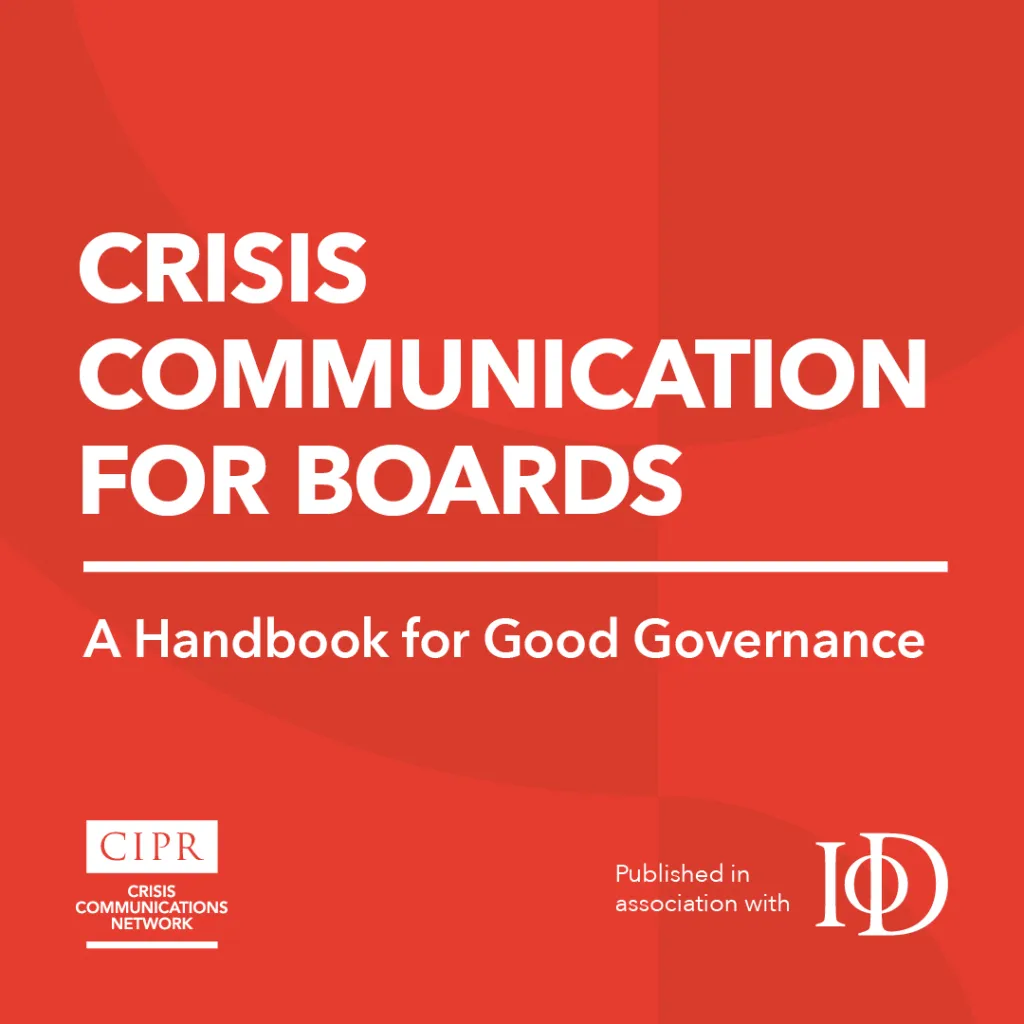
It is the topic of new guidance published by the Chartered Institute of Public Relations (CIPR): Crisis Communication for Boards: A Handbook for Good Governance.
Supported by the Institute of Directors (IoD), the Handbook includes advice on how to manage issues, drive business recovery and build business resilience.
I was pleased to contribute a case study for the guide, focused on the impact of Grenfell on the built environment. The Grenfell tragedy has fundamentally changed the context when it comes to issues and crisis management in the sector. All organisations should be aware of how it will continue to influence reputations going forward.
A crisis or issue can occur at any time. A failure to prepare means the reputational impact and damage is likely to be far higher than those who have a plan and processes in place.
It is the topic of new guidance published by the Chartered Institute of Public Relations (CIPR): Crisis Communication for Boards: A Handbook for Good Governance.
Supported by the Institute of Directors (IoD), the Handbook includes advice on how to manage issues, drive business recovery and build business resilience.
I was pleased to contribute a case study for the guide, focused on the impact of Grenfell on the built environment. The Grenfell tragedy has fundamentally changed the context when it comes to issues and crisis management in the sector. All organisations should be aware of how it will continue to influence reputations going forward.
A sector changed
The Grenfell Tower fire on 14 June 2017 involved the tragic loss of 72 lives. It exposed deep failures throughout construction and had far-reaching consequences for those involved and the wider sector.
One of many reasons Grenfell had such an impact was because the failure was so large and extended far beyond one organisation. When working with Boards to analyse risks, I categorise crisis events in three core areas:
One of many reasons Grenfell had such an impact was because the failure was so large and extended far beyond one organisation. When working with Boards to analyse risks, I categorise crisis events in three core areas:
1. An organisation doing something wrong (including individuals within the organisation).
2. A problem elsewhere in the industry that contaminates others.
3. An issue for society that the organisation influences (directly or is perceived to).
2. A problem elsewhere in the industry that contaminates others.
3. An issue for society that the organisation influences (directly or is perceived to).
Grenfell involved all three:
- Product failures, staff competency issues, misleading marketing information and poor ethical behaviour from organisations involved.
- The industry was questioned, with product manufacturers, consultants, contractors and building operators under scrutiny.
- The social background of people living in the tower was deemed to be a factor, with complaints raised before the fire ignored by the local authority.
Beyond the bubble
While there has been regulatory reform, more changes are expected. But legislation is only one step. I would argue that the industry has yet to move forward and fully repair the damaged trust.
After the fire occurred, LMC went back and analysed selected national media to track how the story unfolded in the eyes of the public.
Public perception matters because construction is such a visible sector. Estimates place it between 9-14% of GDP. The planning process requires public support, and 239,300 new recruits are needed by 2029. A positive reputation is essential for it to function effectively.
Before the Inquiry Report was published in September 2024, 77% of national articles were negative. The media focused on cladding (33% of stories), and placed blame largely with the government (29%), the local authority in charge of the tower (15%) and London Fire Brigade (13%).
After the final report, 71% of articles had negative sentiment. Manufacturers Arconic (14%) and Kingspan (12%) took a larger share of the blame, alongside continued focus on the government (17%).
The sector is in a position where it must justify its activities and prove that it can keep people safe.
After the fire occurred, LMC went back and analysed selected national media to track how the story unfolded in the eyes of the public.
Public perception matters because construction is such a visible sector. Estimates place it between 9-14% of GDP. The planning process requires public support, and 239,300 new recruits are needed by 2029. A positive reputation is essential for it to function effectively.
Before the Inquiry Report was published in September 2024, 77% of national articles were negative. The media focused on cladding (33% of stories), and placed blame largely with the government (29%), the local authority in charge of the tower (15%) and London Fire Brigade (13%).
After the final report, 71% of articles had negative sentiment. Manufacturers Arconic (14%) and Kingspan (12%) took a larger share of the blame, alongside continued focus on the government (17%).
The sector is in a position where it must justify its activities and prove that it can keep people safe.
A continued legacy
The story is not over yet. We’re continuing to monitor the media as we get closer to the 10-year anniversary in 2027 and await the findings of the Metropolitan Police investigation.
This wait for justice makes it difficult for the sector to move forward, despite implementing a new building safety regime. It’s made worse because many implicated in the report have never formally apologised, or even publicly acknowledged the Report.
This communication vacuum further damages credibility and causes damage. Companies need to become comfortable with communicating openly and should acknowledge past failures and commit to measurable change.
There are many lessons senior leadership teams can learn from Grenfell. When determining risk, Boards often focus on their own activities and overlook potential threats from the wider sector and changing social influences and norms.
Many of those threats can be identified in advance. Regular review is essential, with issues prioritised by likelihood and impact. That helps organisations to mitigate risks long before a potential crisis hits. Examples include improving governance, through better policies and staff training, investment in business operations and a proper plan to build stakeholder relationships.
It is more than having a plan though. Boards should be testing whether their crisis plans are effective before something happens, that their teams are ready to react, and that the foundations are in place for a positive recovery.
This wait for justice makes it difficult for the sector to move forward, despite implementing a new building safety regime. It’s made worse because many implicated in the report have never formally apologised, or even publicly acknowledged the Report.
This communication vacuum further damages credibility and causes damage. Companies need to become comfortable with communicating openly and should acknowledge past failures and commit to measurable change.
There are many lessons senior leadership teams can learn from Grenfell. When determining risk, Boards often focus on their own activities and overlook potential threats from the wider sector and changing social influences and norms.
Many of those threats can be identified in advance. Regular review is essential, with issues prioritised by likelihood and impact. That helps organisations to mitigate risks long before a potential crisis hits. Examples include improving governance, through better policies and staff training, investment in business operations and a proper plan to build stakeholder relationships.
It is more than having a plan though. Boards should be testing whether their crisis plans are effective before something happens, that their teams are ready to react, and that the foundations are in place for a positive recovery.
By Wing Tsang
15 Sep 2026